
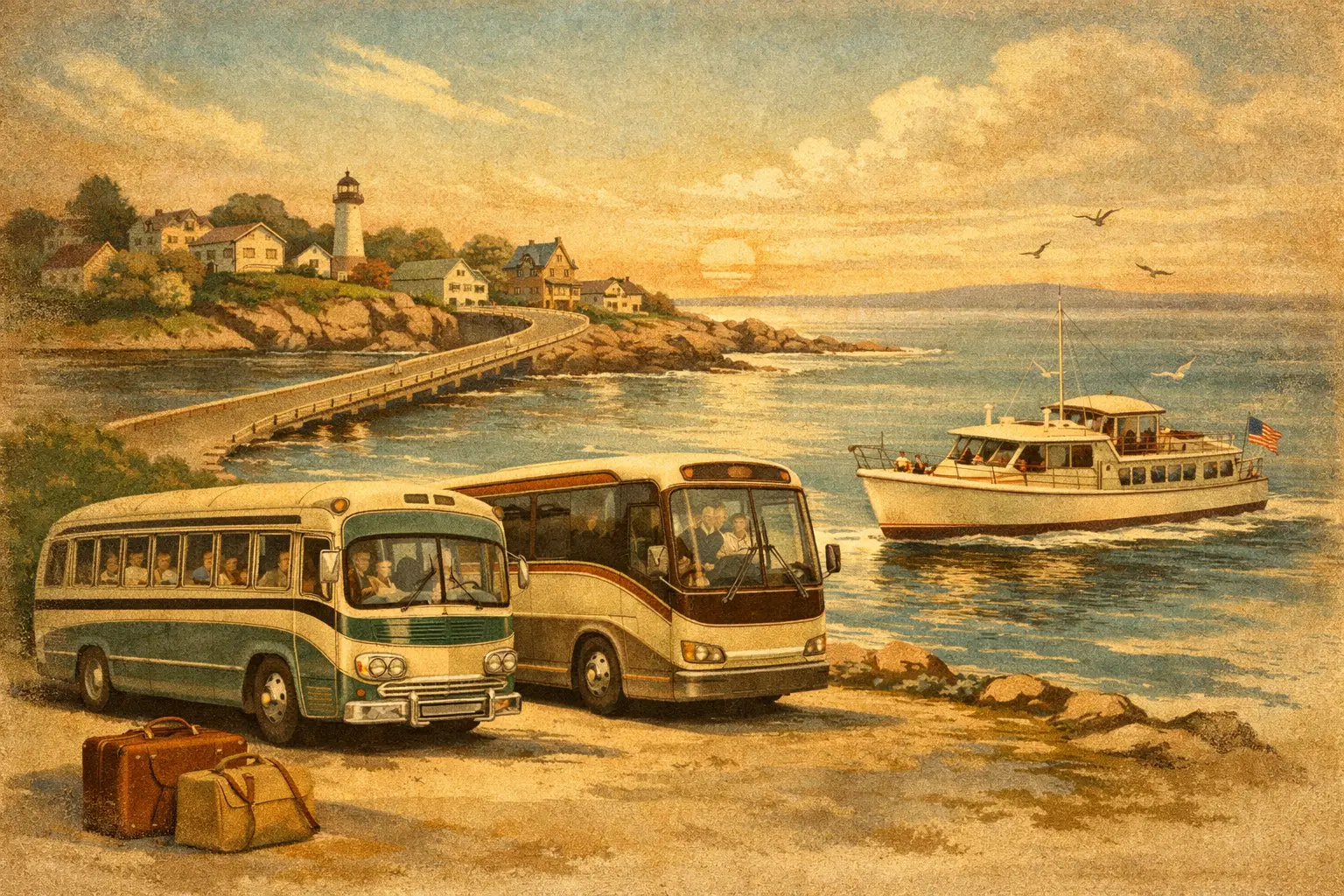
A missed pickup can put a wedding ceremony behind schedule, leave an arriving team waiting at the terminal, or split a group before the day has even started. Nahant transportation charter rental should solve that problem with one coordinated plan: the right vehicle, a professional driver, confirmed pickup times, and a route built around the people and places on your itinerary.
For groups traveling to, from, or around Nahant, private charter service offers more control than asking guests to navigate parking, rideshares, or unfamiliar roads on their own. The key is not simply reserving seats. It is building transportation that supports the schedule you have worked hard to organize.
When a Nahant Transportation Charter Rental Makes Sense
Nahant is well suited to group occasions that need a calm, organized arrival. Weddings, private celebrations, corporate outings, school activities, and day trips can all involve guests coming from different locations. A charter vehicle gives everyone a shared departure point and a reliable return plan, rather than leaving timing to chance.
Wedding transportation is a common example. Guests may be staying at one hotel, attending a waterfront ceremony, and returning after an evening reception. A shuttle loop keeps the day moving without asking anyone to designate a driver or search for parking in formal attire. For a smaller wedding party or VIP group, an executive SUV, sedan, or Mercedes Sprinter may be the better fit. For larger guest counts, a minibus or full-size motorcoach keeps the group together.
Corporate and organization travel has different priorities. An office administrator may need transportation from Boston or Logan Airport for visiting colleagues, while a team leader may be planning a meeting, retreat, or volunteer event. In those cases, punctuality is more than a convenience. It protects the agenda, keeps attendees accounted for, and gives the planner a single point of coordination.
School groups, athletic teams, and community organizations also benefit from a professionally managed trip. A dedicated driver and a single vehicle plan make headcounts, departure times, and return logistics easier to manage. For any group, the right choice depends on passenger count, luggage, pickup locations, accessibility needs, and how long the vehicle will be needed.
Choose the Vehicle Around the Itinerary
The best vehicle is not always the largest one available. Extra capacity can be useful for luggage, equipment, or comfort, but an oversized coach may not be necessary for a small group making a short local transfer. Matching the vehicle to the actual trip helps keep the experience comfortable and the quote aligned with your needs.
A 56-passenger motorcoach is a practical choice for large wedding guest lists, school travel, major events, and longer regional trips. It gives larger groups room to travel together and reduces the risk of late arrivals caused by coordinating several separate vehicles.
Minibuses generally work well for groups of 24 to 40 passengers. They are a strong option for hotel-to-venue shuttles, employee transportation, team travel, and private day trips where a full motorcoach would be more capacity than the group requires. For 10 to 14 travelers, a Mercedes Sprinter offers a more intimate ride while maintaining the benefits of a chauffeured group vehicle.
Executive sedans and SUVs are often the right answer for airport pickups, client transportation, wedding-party movements, and small VIP transfers. They are not designed to replace a group coach, but they can complement one. For example, a wedding may use a minibus for guests while arranging a separate SUV for family members, speakers, or the couple.
When requesting a quote, be clear about bags, coolers, sports equipment, instruments, strollers, or other items that require storage. A passenger count alone does not tell the whole story. A group of 20 travelers with airport luggage has different space needs than 20 guests taking a short shuttle between a hotel and reception venue.
Build a Schedule That Gives Your Group Margin
A dependable charter plan starts with the timeline, not the vehicle. Begin with every pickup address, requested arrival time, event start time, and final drop-off. Then add reasonable time for boarding, traffic, loading, and guests who need a few extra minutes. The goal is to arrive early enough that a normal delay does not become an event disruption.
For weddings, build in buffer time before the ceremony and avoid making the last shuttle the only way guests can arrive. If there are several locations, establish a simple sequence: hotel pickup, venue arrival, reception departure, and return service. Make the pickup instructions easy to share, including the exact location, departure time, and a reminder that the vehicle leaves on schedule.
Airport service deserves similar attention. Flight schedules can shift, luggage can take time, and groups arriving on separate flights may need a flexible plan. Provide flight details, terminal information, traveler count, and the amount of luggage expected. If your group is moving between Logan Airport, Nahant, and another New England destination, a single charter itinerary can be easier to manage than arranging separate rides at each stage.
Multi-day trips need even more detail. Include hotel addresses, daily departure windows, scheduled stops, driver accommodations when applicable, and the final return time. This preparation is not excessive. It gives the transportation team the information needed to quote accurately and execute the trip with fewer surprises.
What Affects Charter Pricing
There is no one-size-fits-all charter rate because each trip has its own operating requirements. The main factors are vehicle type, passenger count, trip duration, total mileage, number of stops, date, and whether the itinerary requires the vehicle and driver to remain on standby.
A direct transfer for a small group will be priced differently from a full-day wedding shuttle with multiple loops. A weekday corporate movement may have different availability than a Saturday during peak wedding season. Long-distance and overnight trips can also involve additional planning. Transparent quoting starts with a complete itinerary, so the quote reflects the transportation you actually need rather than an estimate that changes later.
To receive the most accurate rate, have your date, pickup and drop-off addresses, approximate passenger count, and schedule ready before calling. If your itinerary is still developing, share what is confirmed and identify what may change. A knowledgeable reservation team can help you determine whether a fixed transfer, hourly service, or a dedicated shuttle schedule makes the most sense.
A Straightforward Way to Reserve Your Charter
The booking process should reduce uncertainty, not create more of it. Start by sharing the trip date, group size, locations, and timing. From there, the transportation provider can recommend a vehicle and prepare a custom quote based on the itinerary.
Once you review the quote, confirm the details before securing the reservation with the required deposit. Before the trip, recheck passenger counts, contact numbers, pickup instructions, and any event-specific timing. A final review is especially valuable for weddings and large events, where one change to a venue entrance or hotel can affect the entire shuttle plan.
Charter a Coach provides custom group transportation planning with modern, clean vehicles and professional, vetted drivers. Whether the trip is a short local shuttle or a longer New England itinerary, the focus should remain the same: a safe ride, an on-time pickup, and clear communication from reservation through final drop-off.
Questions to Ask Before You Book
A strong transportation partner should be able to answer practical questions clearly. Ask what vehicle is recommended for your group and luggage, how pickup instructions will be confirmed, and what information the driver will have before arrival. If your event uses multiple pickup points or return loops, ask how those movements will be scheduled and communicated.
It also helps to ask about timing assumptions. Is the quoted service a one-way transfer, a round trip, or vehicle time held for your group between stops? Are there special access instructions for the venue? For an airport transfer, is the plan based on a fixed pickup time or flight tracking? The best answer depends on the trip, but the questions prevent avoidable misunderstandings.
Good group transportation is rarely noticed when it works well. Guests step aboard, arrive where they need to be, and enjoy the occasion instead of thinking about traffic, parking, or who is driving. Give your Nahant trip that advantage by confirming the details early, choosing a vehicle that fits, and reserving a schedule with enough room for the real world.