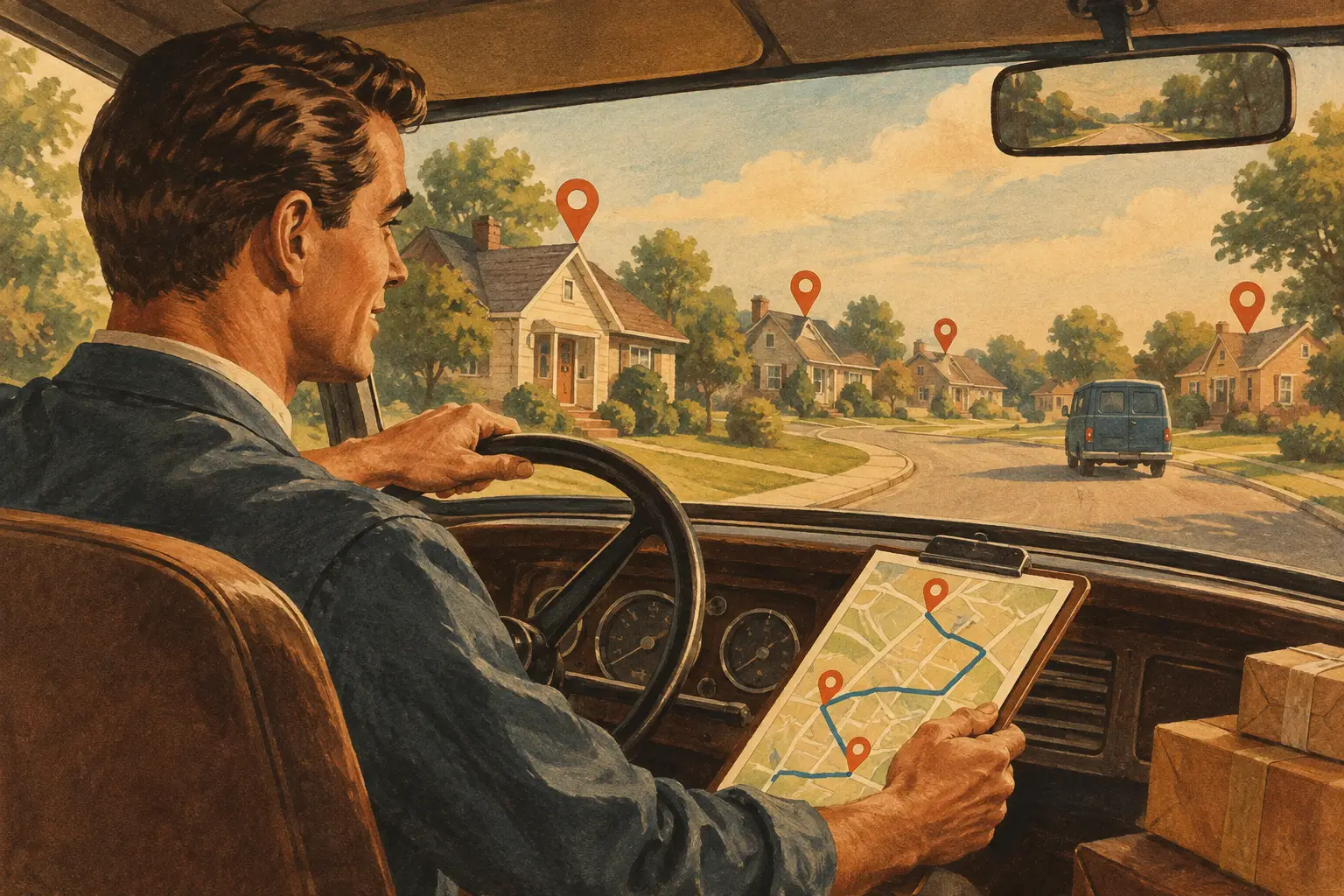
A wedding shuttle leaves the hotel on schedule, but one guest asks to stop at a pharmacy. A corporate team wants airport pickups, lunch downtown, and an evening dinner reservation. A school group needs a museum, a meal stop, and a safe place for students to board after the game. These are not unusual requests. The real question is: can drivers handle multiple stops without putting the day behind schedule?
Yes, professional charter drivers can handle multiple stops when the itinerary is planned in advance and built around realistic timing. For group transportation, each stop affects more than the route. It affects boarding time, vehicle access, parking, driver hours, traffic exposure, and the experience of every passenger on board.
Can drivers handle multiple stops on one charter?
A charter vehicle is booked for your group and itinerary, not limited to a single point-to-point transfer. That means a motorcoach, minibus, Sprinter, or chauffeured SUV can make multiple scheduled stops during a local outing, regional trip, airport transfer, tour, or multi-day charter.
The key word is scheduled. A driver can follow a multi-stop plan efficiently when the pickup points, addresses, requested arrival times, passenger count, and approximate duration at each location are clear before the trip begins. This gives the transportation team time to map the route, account for traffic patterns, confirm vehicle access, and assign the right vehicle and driver coverage.
It depends on the trip, though. A three-stop wedding shuttle operating between a hotel, ceremony venue, and reception is very different from a full-day corporate itinerary across Boston with several airport arrivals. Both can work well, but each requires a different schedule and level of coordination.
Why multiple stops need more planning than they appear to
A stop is rarely just a turn into a parking lot. With a group, the driver may need to pull into a designated bus zone, wait for passengers to gather, secure a safe loading location, and navigate back into traffic. Ten minutes on paper can become 20 minutes when a venue has limited curb space or guests are arriving from different entrances.
City locations can add another layer. In Boston and Cambridge, loading rules, congestion, construction, and narrow streets can affect exactly where a large vehicle can stop. For a motorcoach, the closest possible curb may not always be the safest or most practical boarding point. A professional transportation provider will identify workable access points rather than promising an unrealistic door-to-door pickup.
Time of day matters, too. A route that takes 25 minutes midmorning may take twice as long during commuter traffic or after a major event. If your itinerary includes a restaurant reservation, flight departure, ceremony start, or game kickoff, the schedule should include a time buffer. That buffer protects the group when conditions outside anyone’s control change.
What to provide when you request a quote
The more complete the itinerary, the more accurate the quote and operating plan will be. You do not need to know every turn or parking regulation. You do need to share the details that shape the trip.
Provide each pickup and drop-off address, the preferred arrival time at every stop, the number of passengers, and the anticipated time the group will spend at each location. Let the reservation team know whether passengers will have luggage, whether anyone needs accessible boarding support, and whether the group will split between different hotels or terminals.
For events, include useful venue details. Tell the team if the group is attending a concert, convention, campus event, wedding, sporting event, or cruise departure. These locations often have specific bus instructions, high traffic volumes, or post-event pickup procedures. A driver who has the right information before departure can focus on safe, punctual service rather than trying to solve logistics at the curb.
If your plans are still taking shape, give your best expected itinerary. It is better to discuss possible stops early than to add several stops after the reservation is confirmed. Major changes can affect the vehicle type, driver schedule, trip duration, and price.
Driver hours are part of a safe itinerary
Professional drivers operate within required duty-time and rest rules. These standards are there to protect passengers, drivers, and everyone sharing the road. They also mean that a long day with many stops cannot be treated as an open-ended vehicle reservation.
For a full-day or multi-day trip, the transportation provider will review the scheduled driving time, waiting time, overnight needs, and required rest periods. If the itinerary is especially long, the trip may require additional driver coverage or a revised schedule. That is not an inconvenience – it is responsible planning.
This is one reason last-minute changes deserve careful review. Adding a late-night return after an already full day may seem simple, but it can create a driver-hours issue. A dependable provider will be direct about what can be done safely and may recommend an earlier departure, adjusted stop duration, or another operational solution.
Choose the right vehicle for the stop pattern
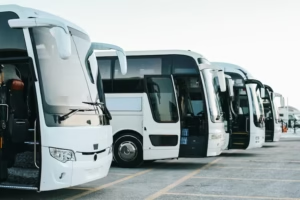
The number of stops can influence which vehicle makes the most sense. A 56-passenger motorcoach is an efficient choice for a large group traveling together over longer distances. It provides room for passengers and luggage, but it also needs appropriate space to load, turn, and park.
For a smaller group moving between hotels, offices, restaurants, or private venues, a minibus may offer more flexibility in tighter urban locations. Mercedes Sprinters and executive sedans or SUVs are well suited to VIP airport movements, small executive groups, and travelers whose schedules require separate pickups.
Vehicle selection should be based on passenger count, luggage, route conditions, and the character of the stops – not just the lowest available rate. Booking a vehicle that is too small creates discomfort and baggage problems. Booking a large motorcoach for streets with limited access can create avoidable delays. The right match supports a cleaner, safer, more reliable day.
Build time into every passenger transition
Groups move at a different pace than individuals. A driver may arrive precisely on time, yet the departure can still be delayed if guests are checking out of a hotel, searching for the pickup point, or waiting for the last person to return from a venue.
For weddings, designate one transportation contact who can communicate with the planner, venue coordinator, and driver if needed. For corporate groups, ask a meeting lead or office coordinator to confirm that the group is ready before the scheduled departure. For student and youth travel, establish headcount procedures before every departure.
These small practices protect the itinerary. They also prevent a common problem: a bus waiting for a few passengers while everyone else loses time at the next stop. Clear expectations make multi-stop service feel organized rather than rushed.
When separate vehicles or shuttle loops work better
One vehicle is not always the best answer. If guests are leaving a wedding reception over several hours, a shuttle loop between the venue and hotel can be more practical than asking everyone to depart at once. If a company has employees arriving on different flights, separate airport pickups may be more efficient than holding a full group vehicle at the terminal.
The same is true for larger groups with different schedules. A motorcoach may handle the main group while an executive SUV transports speakers, VIPs, or organizers who need a separate timeline. This approach can reduce waiting, protect key arrival times, and keep the main vehicle focused on its planned route.
Charter a Coach helps planners evaluate these options before the trip is on the calendar. The goal is not to add vehicles unnecessarily. It is to create an operating plan that fits the group, the venues, and the schedule.
How to keep the day running on time
A multi-stop itinerary works best when there is one confirmed version shared with the people making decisions. Keep contact information current, set realistic departure times, and alert the transportation team as soon as a venue or flight schedule changes.
Avoid treating the driver’s route as flexible time to fill. An unplanned coffee stop, added hotel pickup, or change of destination can affect parking arrangements and every arrival that follows. Some changes are easy to accommodate; others may require a revised plan. Asking early gives the team the best chance to help.
For your next group trip, start with the moments that cannot move: the ceremony, flight, meeting, reservation, or event start. Build the stops around those commitments, allow time for the group to board, and let a professional transportation team turn the route into a schedule you can trust.