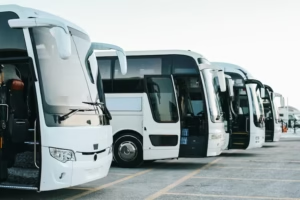

A missed pickup can turn prom photos, dinner reservations, and the grand entrance into a stressful rush. This prom transportation checklist helps parents, students, school staff, and planners coordinate a ride that is safe, punctual, and clear from the first pickup through the final drop-off.
Start With the Actual Trip Plan
Transportation works best when the itinerary is specific. Before requesting a quote or reserving a vehicle, write down every stop in order: home or a central pickup point, photos, dinner, the prom venue, any approved after-prom event, and final drop-offs. Include full addresses, not just venue names. Large hotels, campuses, and event centers often have multiple entrances, and the correct loading area matters.
Set target arrival times, then work backward. Build in time for photos, traffic, loading passengers, and the few minutes it takes to gather a group that is never quite ready at the same moment. For a formal event with a fixed start time, arriving 15 to 20 minutes early is usually more useful than planning to arrive exactly at the door time.
If the group has several pickups, consider whether a single central meeting point is more practical. Door-to-door service can be convenient for a small group, but too many individual stops can make timing unpredictable. A central pickup can keep the schedule tighter and make it easier for parents to confirm who has boarded.
Choose a Vehicle That Fits the Group
Do not select transportation based on appearance alone. The right vehicle depends on passenger count, luggage or garment bags, travel distance, and how much room students need to sit comfortably in formalwear.
For a small group, an executive SUV, sedan, or Mercedes Sprinter may be a sensible choice. A larger friend group may be better served by a minibus, while an entire grade, school organization, or multi-stop prom program may need a motorcoach. Booking enough seats for every rider is the baseline. Leaving a small capacity cushion is often wise when dresses, suits, and personal items take up more space than expected.
Ask whether all passengers will stay together for the full evening. If one group plans dinner across town while another goes directly to the venue, separate vehicles or staggered service may be the more reliable option. Combining unrelated itineraries to lower the price can create delays and frustration for everyone.
Prom Transportation Checklist Before You Book
Confirm these essentials before paying a deposit or finalizing the reservation:
- The exact passenger count, including chaperones and any parent coordinators riding along.
- Pickup, stop, and drop-off addresses with planned times for each location.
- Vehicle type, seating capacity, and whether the quoted service is private for your group.
- The number of service hours included, plus how overtime is handled if the event runs late.
- Driver wait time, parking fees, tolls, gratuity, and any other charges included or excluded from the quote.
- The company’s cancellation, change, deposit, and final-payment policies.
- A direct contact number for the transportation provider and a designated day-of group contact.
Transparent pricing is more valuable than a low number that changes later. A complete quote should reflect the itinerary you actually need, including wait time between dinner and prom if the vehicle will remain with the group.
For a school-sponsored trip, ask the school administration what transportation standards, chaperone ratios, and approved vendor requirements apply. Private groups should still confirm that the provider uses professional, vetted chauffeurs and maintains appropriate commercial insurance. A prom night ride is not the place to rely on an informal arrangement with unclear accountability.
Put One Adult in Charge of Communication
Every group needs one lead contact who can make decisions quickly. This person should have the driver or dispatch number, the reservation details, the final passenger list, and contact information for parents or guardians when appropriate. The lead contact should also carry a charged phone and keep it available during pickups and drop-offs.
Students can help organize the group, but an adult coordinator is especially valuable when plans change. A restaurant may seat the group late, weather may slow travel, or a passenger may need help locating the pickup area. One reliable point of contact prevents the driver from receiving conflicting instructions from multiple people.
Send the final itinerary to riders and parents at least a day before prom. State the pickup time as the time passengers must be ready, not the time they should begin getting dressed or walking outside. Include the vehicle description, meeting location, expected return time, and rules for last-minute changes.
Set Clear Safety and Behavior Expectations
Professional transportation adds a trained driver and a planned route, but the group still needs rules. Make expectations clear before the night begins, particularly for school events with formal conduct policies.
Passengers should remain seated when the vehicle is moving, avoid distracting the driver, keep aisles clear, and treat the vehicle respectfully. No one should bring alcohol, illegal substances, or prohibited items aboard. If the school has an after-prom policy, review it with students and parents so everyone understands what is and is not permitted.
For parents, the key question is not simply whether a vehicle looks impressive. Ask who is driving, how the company handles schedules, whether the vehicle is cleaned and inspected, and what support is available if an itinerary changes. A chauffeured service provides structure, but sound planning and adult oversight still matter.
Plan for Delays Without Making the Night Feel Rigid
Prom transportation should feel special, not overmanaged. Still, a little contingency planning protects the experience. Tell riders what to do if they are running late, where to meet if a venue entrance is crowded, and who can authorize an itinerary change. Agree in advance that the group will not ask the driver to exceed safe driving practices to make up lost time.
Weather deserves special attention in New England. Spring rain, fog, late-season snow, and heavy city traffic can all affect travel times. If the prom is in Boston, Cambridge, or another busy venue area, identify the permitted bus or vehicle loading zone rather than assuming the driver can stop at the main entrance. This detail can save 15 minutes of confusion when several events are releasing at once.
Keep the return plan simple. Confirm whether the vehicle will wait on-site, return at a scheduled time, or make a series of drop-offs. For multiple drop-offs, arrange them in a logical order and share estimated arrival windows with parents. A late-night plan should be just as precise as the arrival plan.
Reconfirm 24 Hours Before Departure
The day before prom, the group lead should review the reservation one more time. Confirm the date, vehicle, pickup time, addresses, passenger count, driver or dispatch contact, and payment status. Recheck restaurant reservations and venue instructions as well, because a change at one stop can affect the transportation schedule.
On prom day, have passengers arrive at the pickup location 10 to 15 minutes early. Keep a simple headcount before departure, and do not leave without confirming that every expected rider is present or accounted for. That small pause is far better than discovering someone was left behind after the vehicle has entered traffic.
A well-planned ride gives students room to enjoy the occasion while parents and organizers know the logistics are covered. When you are ready to arrange dependable prom transportation, Charter a Coach can help match your group size and itinerary with a clean vehicle and professional chauffeur service built around being on time.