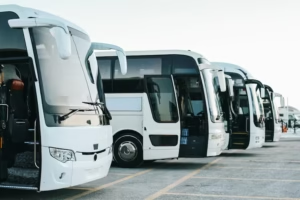

When 40, 50, or 100 people all need to arrive at the same place at the same time, transportation stops being a side detail. It becomes part of the event itself. A late shuttle can delay a wedding ceremony, throw off a corporate agenda, or leave students waiting in a parking lot with staff scrambling for answers.
That is why motorcoach rental for large groups works best when it is treated as a logistics decision, not just a ride. The right vehicle, the right schedule, and the right driver support can turn a complicated travel day into one that runs on time and feels under control.
When motorcoach rental for large groups is the right fit
A motorcoach is usually the strongest option when your group is too large for carpools, rideshares, or multiple vans to work efficiently. Once you start coordinating dozens of arrivals, different pickup times, parking issues, and the risk of no-shows, a single coordinated transportation plan becomes much easier to manage.
For many groups, the tipping point is not just passenger count. It is schedule sensitivity. Weddings with fixed ceremony times, corporate events with tight meeting blocks, airport pickups with rolling arrivals, and school trips with strict supervision needs all benefit from one managed vehicle plan instead of scattered individual travel.
A full-size motorcoach also makes sense when comfort matters. On a short transfer, almost any vehicle can get people from point A to point B. On a longer trip across New England, passenger space, climate control, luggage capacity, and a professional onboard experience matter a lot more. Guests arrive less stressed, and planners spend less time handling avoidable complaints.
Why larger groups need more planning than they expect
The biggest mistake planners make is assuming group transportation is mostly about headcount. Passenger count matters, but it is only the starting point. The real planning work is in the itinerary.
Pickup windows, venue access, traffic patterns, luggage volume, ADA needs, and whether the trip is one-way, round-trip, or multi-stop all affect what should be booked. A 50-person airport transfer and a 50-person wedding shuttle may use similar vehicles, but they do not operate the same way.
Airport work may need staggered pickups, flight monitoring, and room for bags. Wedding transportation often needs tightly timed returns, coordination with venue staff, and flexibility if the reception runs late. For schools and universities, supervision, safety standards, and clear driver communication often matter more than luxury features. Good planning accounts for those differences early so the day does not become reactive.
The main advantages of a motorcoach
The most obvious benefit is consolidation. Instead of asking attendees to drive themselves, find parking, or follow directions to an unfamiliar venue, everyone travels together on a shared schedule. That lowers the chance of late arrivals and gives the organizer more control over the day.
There is also a real professionalism factor. For corporate groups, a clean motorcoach with a trained chauffeur reflects well on the company hosting the event. For weddings, it gives guests a more polished experience and reduces the risk of people getting lost between the hotel, ceremony, and reception. For community and church groups, it creates a more comfortable, social trip where the group stays together.
Safety is another major reason planners choose this option. With a professional driver handling the route, timing, and road conditions, the group is not depending on multiple personal vehicles or volunteers to navigate unfamiliar roads. That matters even more during evening events, winter weather, or long-distance travel.
What affects pricing more than people realize
One of the first questions planners ask is cost, and that is fair. But the price of motorcoach rental for large groups is rarely based on vehicle size alone.
Trip duration is often a major factor. A short local shuttle with a few controlled pickups is a very different assignment than a full-day charter with waiting time, multiple stops, and a late-night return. Mileage, driver hours, tolls, parking, and itinerary complexity all shape the quote.
Seasonality can matter too. Wedding weekends, graduation periods, fall foliage travel, and major event dates can tighten availability across the region. The earlier you request pricing, the more likely you are to secure the right vehicle instead of settling for what is left.
This is also where transparent quoting matters. A strong transportation partner should walk you through what is included, what may change if your itinerary changes, and how the reservation process works. That clarity helps planners avoid budget surprises later.
Choosing the right vehicle size
Not every large-group trip needs the largest vehicle available. Sometimes a full-size motorcoach is the right answer. Other times, a minibus or split-vehicle setup is more practical depending on your headcount, venue access, and route.
If your group is in the 45 to 56 passenger range, a motorcoach often gives you the simplest solution. If you are moving 25 to 35 guests between hotels and a venue with tighter access, a minibus may fit the route better. For VIP staff, speakers, or wedding party members moving on a separate schedule, an executive sprinter, sedan, or SUV may be the right companion service.
That is why good providers ask more than “How many people?” They want to know where the group is going, when they need to be there, and what the load-in and load-out conditions look like. Vehicle matching is not guesswork when the logistics are handled properly.
How to avoid the most common planning mistakes
The most common issue is waiting too long. Transportation is often booked after the venue, catering, or event agenda, but by then the best availability may already be gone. If your event date is fixed, transportation should be part of the early planning phase.
Another problem is giving incomplete itinerary details. If the pickup address is vague, the return time is still uncertain, or the planner has not checked whether a venue can accommodate a motorcoach, those gaps can create delays later. It is better to flag uncertainty upfront and work through it with your transportation team.
Headcount drift is another frequent challenge. A planner books for 40, then the final number becomes 52. That change can affect vehicle selection and pricing. Build in a little cushion if your attendance is still moving.
Finally, avoid assuming all passengers have the same needs. Luggage, mobility concerns, children, older guests, and event staff on a separate timeline can all change the best transportation setup. The smoother trips are usually the ones where these details are addressed before booking, not on the day of service.
Why reliability matters more than amenities
Amenities are nice. Clean interiors, comfortable seating, and a polished vehicle absolutely matter to the rider experience. But for most planners, reliability is still the deciding factor.
A late vehicle can ripple through an entire event. A driver who does not have the right instructions can create confusion at pickup. Poor communication can leave guests standing outside a hotel wondering what is happening. Those are not minor inconveniences when you are responsible for a group.
That is why professional operators focus so heavily on punctuality, vetted drivers, clean vehicles, and clear dispatch communication. Those basics are what make the day feel easy. For planners, confidence comes from knowing the transportation team understands timing, routing, and accountability.
For regional trips across places like Boston, Cambridge, Rhode Island, or New Hampshire, that operational discipline becomes even more valuable. Traffic, venue restrictions, and weather can all shift the plan quickly. You want a provider prepared to manage those variables, not one learning them on the fly.
What to have ready before you request a quote
You do not need every detail finalized, but having the essentials ready will speed things up and improve quote accuracy. Start with your event date, estimated passenger count, pickup and drop-off locations, and the rough timing for each movement. If it is a round-trip or multi-day charter, note that clearly.
You should also mention anything that may affect routing or vehicle choice, such as luggage, airport coordination, venue access restrictions, or if part of the group needs separate transportation. These details help the transportation team recommend the right setup instead of giving you a generic estimate.
If you are comparing options, compare more than price. Look at responsiveness, clarity, and whether the company is asking the right operational questions. That often tells you more about the service you will receive than the quote itself.
For planners who want a straightforward process, Charter a Coach keeps booking simple with custom trip quotes, clear scheduling support, and vehicle options that can scale from VIP movements to full motorcoaches.
A better trip starts before the wheels move
Large-group transportation goes well when the planning is realistic, the schedule is clear, and the vehicle fits the job. If your event has real timing, safety, or coordination stakes, a motorcoach is not just a convenience. It is part of how you protect the day.
The best time to solve transportation problems is before anyone boards. Get the route right, confirm the timeline, and choose a partner that treats punctuality like a requirement, not a promise.