A roadshow schedule looks manageable on paper until the first delay hits. One late pickup, one cramped ride, or one driver who misses the venue entrance can throw off meetings, client impressions, and the entire day. That is why choosing the best vehicles for corporate roadshows is less about preference and more about protecting the schedule.
For corporate planners, the right vehicle does two jobs at once. It moves people efficiently, and it supports the experience you are trying to create for executives, sales teams, investors, or guests. A vehicle that works perfectly for an airport transfer may be the wrong choice for a multi-stop day across Boston and Cambridge, and a comfortable option for six people may break down fast when the manifest grows to 30.
What makes the best vehicles for corporate roadshows?
The answer usually comes down to five factors: passenger count, itinerary complexity, rider expectations, luggage needs, and timing risk. If your team is making two high-stakes presentations in one day, reliability matters more than saving a little space. If the group includes senior leadership or clients, privacy and comfort may outweigh raw capacity.
Roadshows also tend to involve tight transitions. People need to arrive composed, not rushed. They may need room for presentation materials, signage, product samples, or overnight bags. In some cases, they need to take calls between stops. In others, they simply need a quiet, clean ride with a professional chauffeur who knows the route and can keep the day moving.
That is why there is no single best vehicle for every roadshow. The better question is which vehicle best fits the demands of your specific itinerary.
Executive sedans and SUVs for small VIP movements
If your roadshow involves one to three executives, an executive sedan or SUV is often the strongest option. These vehicles are ideal when the focus is on privacy, professionalism, and speed. They work well for airport pickups, investor meetings, leadership visits, and client-facing schedules where every detail contributes to the impression.
Sedans are especially useful when the group is small and luggage is limited. They offer a polished arrival without excess space or unnecessary cost. SUVs make more sense when travelers need extra room for bags, display materials, or simply a more spacious cabin between appointments.
The trade-off is capacity. Once you move beyond a very small group, coordinating multiple sedans can create its own risk. Separate vehicles can mean split arrivals, inconsistent routing, and more moving parts for the planner to manage. For true VIP movements, sedans and SUVs are excellent. For one team that needs to stay together, they are often too limited.
Mercedes Sprinters for agile mid-size teams
A Mercedes Sprinter is one of the most practical choices for corporate roadshows with 10 to 14 passengers. It bridges the gap between a luxury vehicle and a larger shuttle, which makes it useful for executive teams, sales groups, and small client delegations.
This format works well when your passengers need to stay on the same schedule but do not require a full minibus. Boarding is quick, the footprint is manageable in urban areas, and the ride feels more private than a large coach. For roadshows with several stops, that flexibility can make a real difference.
Sprinters are also a smart fit when parking access is tighter or venue loading areas are limited. In places like downtown Boston or busy Cambridge corridors, a smaller chauffeured vehicle can reduce friction at pickup and drop-off. The limitation is storage and onboard space. If your team is carrying heavy materials or wants more room to spread out during a longer day, a minibus may be the better move.
Minibuses for coordinated group travel
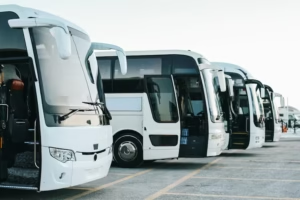
For many corporate roadshows, the minibus is the sweet spot. With typical capacities ranging from 24 to 40 passengers, it gives planners enough room to keep the group together without overbooking a full-size coach. That makes it a strong option for company visits, recruiting tours, regional client meetings, and team roadshows that involve multiple stakeholders.
The biggest advantage is coordination. Everyone arrives together, leaves together, and works from the same timeline. That matters when your event schedule is tight and attendance at each stop is essential. It also reduces confusion around parking, reimbursement, mileage, and employee navigation.
A minibus tends to be the right choice when comfort and efficiency need to balance. It offers more breathing room than a van-style vehicle while staying practical for shorter runs and multi-stop itineraries. If your roadshow includes moderate luggage, branded materials, or attendees who will be on and off the vehicle throughout the day, this is often the most dependable format.
Motorcoaches for large-scale roadshows
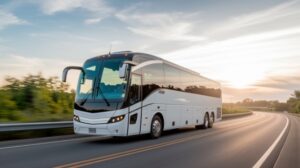
When attendance climbs or the trip spans a full day or multiple days, a motorcoach becomes the better answer. Full-size coaches can carry up to 56 passengers, which makes them well suited for large employee groups, conference transfers, campus recruiting circuits, and regional tours with several scheduled engagements.
The main benefit is scale without sacrificing structure. Instead of dividing the group across several smaller vehicles, you keep everyone under one transportation plan. That simplifies communication, improves accountability, and makes the experience feel more organized from the first pickup to the final drop-off.
Motorcoaches also make sense when the ride itself is longer. If your roadshow includes travel across New England, passengers will notice the value of a larger, more comfortable cabin. The trade-off is maneuverability. A coach is not always the easiest fit for compact loading zones or last-minute route changes, so it works best when the itinerary is well planned and venue access has been confirmed in advance.
How to match the vehicle to the roadshow
The best vehicles for corporate roadshows are the ones that support the day without adding complexity. Start with group size, but do not stop there. A group of 12 executives with presentation gear has different needs than 12 employees heading to a training event.
Think about how formal the day is. If client perception matters at every stop, a chauffeured SUV or Sprinter may support the right tone. If the priority is keeping a larger internal team together and on time, a minibus or motorcoach usually delivers better results.
You should also consider stop frequency. For frequent loading and unloading, a vehicle that is easy to board and easy to position can save time all day long. For longer highway segments, interior space starts to matter more. Then there is baggage and equipment. Roadshows often involve more cargo than expected, and underestimating that need is one of the fastest ways to make a good plan feel disorganized.
Why reliability matters more than amenities
Amenities can be useful, but they are not what makes a corporate roadshow successful. Clean vehicles, professional chauffeurs, on-time pickups, and accurate scheduling matter more. Most planners are not trying to impress people with transportation alone. They are trying to make sure transportation never becomes the problem.
That is where experienced group transportation support matters. A well-run provider helps match the vehicle to the itinerary, confirms timing, accounts for traffic patterns, and keeps communication clear from quote to trip day. For corporate teams, that operational discipline is what protects both the budget and the reputation of the event.
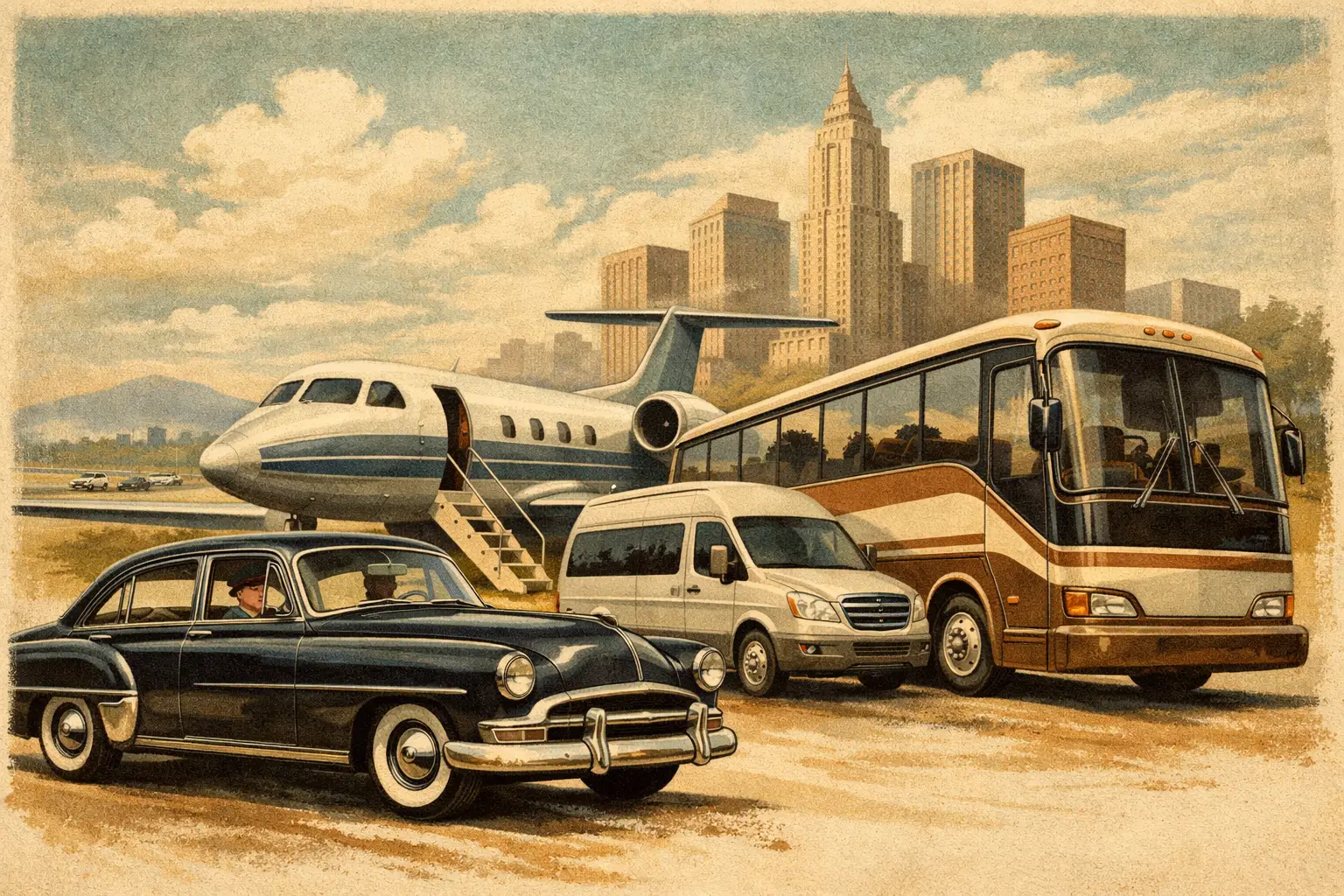
Charter a Coach serves many of these needs by offering multiple vehicle types under one booking process, which is especially useful for planners managing different passenger groups within the same event. A leadership team may need executive SUVs while attendees move by minibus or motorcoach. Having those options coordinated under one schedule reduces risk.
Common mistakes corporate planners make
The most common mistake is choosing based on headcount alone. Capacity matters, but it is only one piece of the decision. Another mistake is assuming a smaller vehicle is always more efficient. If the group no longer travels together, you may lose more time in coordination than you save in vehicle cost.
Planners also run into trouble when they leave venue access unconfirmed. A vehicle may be ideal on paper but awkward at the property if there is no clear space for loading, staging, or turning. Finally, some teams underestimate how much the driver experience matters. A trained, professional chauffeur who arrives on time and understands the schedule can keep the day calm, even when the agenda changes.
The best roadshow transportation plan is the one that feels almost invisible to the passengers. They step in, arrive on time, and stay focused on the meetings ahead. When the vehicle is matched correctly, the day runs cleaner, the group stays aligned, and the planner has fewer problems to solve in real time.
If you are weighing options, start with the schedule, the people riding, and the impression you need to make. The right vehicle is not just a ride between stops. It is part of how the roadshow stays on track.