A packed auditorium is not the hard part of a campus event. The hard part is getting 400 students, speakers, alumni, or visiting teams to the right entrance at the right time without creating a traffic backup, missed check-in, or unsafe walk across campus. College event transportation planning turns that risk into a working schedule.
For campus staff, student-life teams, athletic departments, and event organizers, transportation is part of the attendee experience. A late shuttle can delay a keynote. A poorly marked pickup point can leave guests stranded after a concert. An undersized vehicle can force students to wait while an event is already underway. The best plans account for the real movement of people, not just the start and end addresses.
Start With the Movement, Not the Vehicle
A bus type matters, but it should not be the first decision. Begin by defining who needs transportation, when they need to arrive, and what happens immediately before and after the event. A campus job fair, for example, may need a continuous shuttle from remote parking lots before doors open, followed by a smaller return service as attendees leave at different times. A debate tournament may require scheduled airport pickups, hotel transfers, campus circulation, and a final group departure.
Build the trip around five facts: passenger count, luggage or equipment, pickup and drop-off locations, required arrival time, and the departure pattern. The departure pattern is often overlooked. If every guest leaves at 10:00 p.m., transportation needs are very different than an event where attendees filter out over two hours.
It also helps to separate confirmed riders from possible riders. Plan enough capacity for the people who must travel, then decide whether a buffer is warranted. A small buffer is practical for high-attendance student events, but reserving far more seats than the likely ridership can raise costs without improving service.
Match Capacity to the Trip
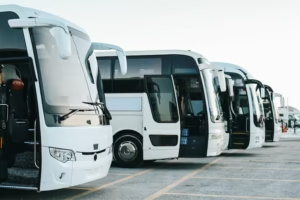
The right vehicle depends on both headcount and operating conditions. A 56-passenger motorcoach is a strong fit for large student organizations, athletic travel, conferences, and longer trips where comfortable seating and undercarriage luggage space matter. Minibuses typically work well for 24 to 40 passengers moving between campus buildings, hotels, off-site venues, or parking areas.
For a small group of guest speakers, administrators, recruiters, or VIPs, a Mercedes Sprinter or executive sedan and SUV service can be a better choice. It avoids sending a large vehicle into a tight loading zone and gives smaller groups a more direct, professional experience.
Capacity is not just a math exercise. Consider coats, musical instruments, presentation materials, sports gear, and airport luggage. Consider whether riders need wheelchair-accessible transportation and how much time boarding will take. A vehicle that technically holds the group may still be the wrong option if the trip includes heavy luggage or frequent stops.
Plan for Peak Demand
Most campus transportation problems happen during a short peak period. The first 20 minutes before doors open, halftime at a major game, and the final rush after a performance all create concentrated demand. If one vehicle cannot complete a round trip before the next group needs a ride, add capacity or create staged departure times.
A practical schedule includes a planned arrival window rather than a single arrival minute. For a program beginning at 7:00 p.m., speakers and staff may need to arrive by 5:45, guests by 6:15, and general attendees between 6:20 and 6:50. That gives organizers time to absorb normal traffic variation without making every rider arrive excessively early.
Build a Campus-Ready Route Plan
College campuses are full of constraints that do not appear on a standard map. Pedestrian-only corridors, low-clearance structures, one-way streets, construction zones, move-in traffic, and restricted loading areas can all affect a vehicle’s approach. The event venue may be easy to find, while the correct bus entrance is not.
Confirm the exact pickup and drop-off locations with campus facilities, parking, public safety, or venue management. Ask where vehicles can stage between runs, whether curb space must be reserved, and who can authorize access if a gate or service road is involved. A driver should receive clear instructions before the day of service, not be expected to solve campus access issues with a vehicle full of passengers.
For events in Boston or Cambridge, allow extra time for congestion, street closures, and limited curb access. If attendees are arriving through Logan Airport, build airport pickup timing around flight arrivals, baggage claim, and the possibility of delayed flights. A realistic itinerary protects the event schedule better than an optimistic one.
Put Safety and Accessibility Into the First Draft
Student safety is a planning requirement, not a last-minute add-on. Use well-lit, clearly marked pickup areas and assign an on-site transportation contact who can help riders, coordinate with security, and communicate schedule updates. For evening events, consider how students will return to residence halls, parking areas, or nearby hotels after the shuttle service ends.
Accessibility should be addressed when the trip is being scoped. Confirm accommodation needs, accessible vehicle availability, and the accessibility of each loading location. A route can appear workable until a rider reaches a curb without a safe boarding path.
Professional, vetted drivers and clean, properly maintained vehicles provide another layer of confidence, especially for late-night events, student trips, and high-profile guests. But safety also depends on the information surrounding the trip. Riders should know where to stand, when the last departure leaves, and whom to contact if they are separated from the group.
Make Communication Part of College Event Transportation Planning
A transportation plan can be perfectly designed and still fail if attendees do not understand it. Share pickup locations using landmarks students recognize, such as a named residence hall, athletic entrance, or visitor center. Include the first and last shuttle times, estimated frequency, and a contact number for day-of questions.
Avoid vague directions like “meet near the library.” Name the side of the building, the curb, and the departure window. If the event has multiple shuttles, label them by destination or route instead of relying on riders to identify vehicles by color or guesswork.
Your internal team also needs one source of truth. The event lead, campus contact, transportation provider, venue manager, and security team should be working from the same itinerary. It should list passenger counts, addresses, route notes, driver instructions, event contacts, and contingency procedures.
Book Early Enough to Protect Your Options
Large events, commencement weekends, athletic travel, conferences, and major city dates can create heavy demand for charter transportation. Booking early gives you more flexibility in vehicle selection, scheduling, and pickup logistics. It also gives the planning team time to correct issues that only become visible once the itinerary is reviewed.
A simple booking process should begin with your trip details, followed by a clear quote and a confirmed reservation secured by deposit. Before committing, confirm what is included in the itinerary, the number of vehicles, service hours, pickup sequence, and any anticipated waiting time. Transparent expectations prevent budget surprises and make approval easier for campus administrators.
For recurring shuttles or multi-day programs, request a schedule that reflects the full event calendar. A provider may be able to support airport transfers on arrival day, local circulation during the program, and final departures without forcing your team to coordinate separate transportation vendors.
Run the Event With a Day-of Playbook
Even an experienced planner benefits from a short operational check before the first pickup. Reconfirm the event contact, passenger count, venue access, and schedule changes. Make sure staff at each pickup point know when the vehicle is expected and what to do if a rider is late.
Keep a decision-maker reachable throughout service. If a session runs long, a flight is delayed, or weather changes the plan, quick communication is what keeps a minor adjustment from becoming a major disruption. For larger programs, designate one staff member to manage riders and another to handle provider communication so neither role is neglected.
Charter a Coach can help campus planners match the right vehicle and schedule to student events, academic programs, airport transfers, and regional travel throughout New England. The goal is straightforward: professional drivers, clean vehicles, and an itinerary built to arrive on time.
The strongest transportation plan gives attendees little reason to think about transportation at all. They arrive safely, know where to go, and leave without confusion. That is how a well-run ride supports a well-run college event.