
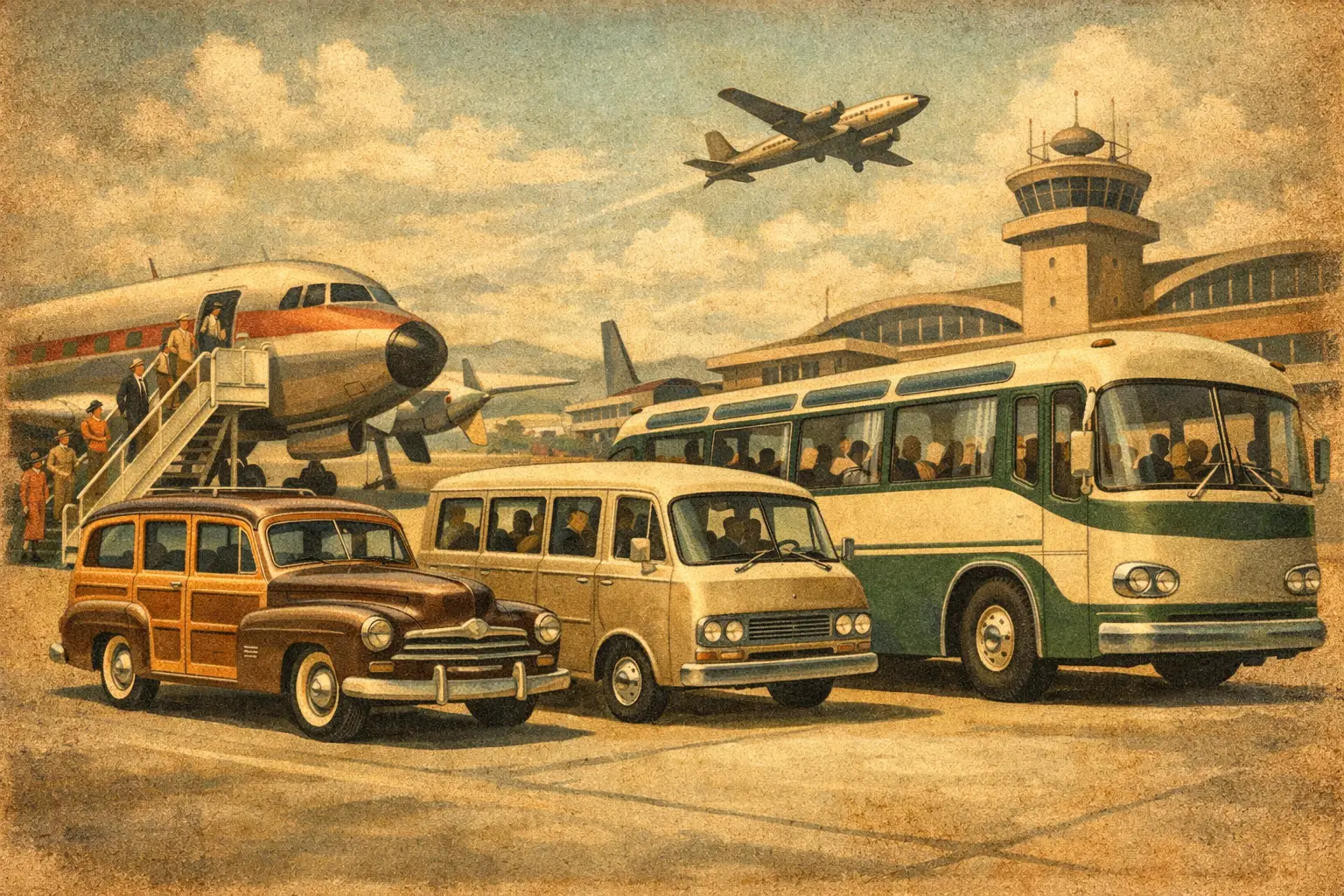
A flight landing on time does not guarantee an on-time arrival. For group planners, the real pressure begins at baggage claim: people spread across terminals, luggage carts filling up, and a meeting, hotel check-in, or event start time that will not move. Choosing the best vehicles for airport groups is less about finding the largest option and more about matching capacity, luggage space, and pickup logistics to the trip.
A vehicle that looks right on a seating chart can become uncomfortable quickly when every passenger has a roller bag, a checked suitcase, and a carry-on. A properly matched airport transfer keeps the group together, gives the driver room to work efficiently, and protects the schedule from the first curbside pickup to the final drop-off.
Start With People, Bags, and Flight Timing
Passenger count is the first number to confirm, but it should never be the only number. Ask how many people are traveling, how many will have checked luggage, whether anyone needs extra space or accessibility support, and whether all flights arrive within the same window. These details determine whether one vehicle is practical or whether two coordinated vehicles will deliver a better experience.
For example, 14 passengers traveling light for a corporate day meeting may fit comfortably in one vehicle. The same 14 passengers arriving at Boston Logan after a weeklong conference with full-size suitcases may need more luggage capacity than a smaller vehicle can provide. The right choice avoids cramming bags into passenger areas or leaving travelers waiting for a second luggage run.
Flight timing matters just as much. Groups arriving on several flights should have a clear pickup plan based on actual arrival windows, not only scheduled landing times. Allow time for deplaning, baggage claim, and terminal movement. For departures, plan for the airport, airline, and group type – international flights, student groups, and travelers checking bags generally need more time than a small group carrying only personal items.
Best Vehicles for Airport Groups by Group Size
Executive Sedans and SUVs for VIP Transfers
Executive sedans and SUVs are a strong fit for one to five travelers who need a polished, private airport experience. They work especially well for executives, speakers, wedding couples, clients, and family members arriving on a different schedule from the larger group.
The advantage is direct, comfortable service without paying for unused seats. Professional chauffeured transportation also gives VIP travelers a dependable place to regroup after a flight, make a call, or prepare for the next appointment. The trade-off is luggage capacity. An SUV can handle more bags than a sedan, but large suitcases, golf bags, presentation equipment, or extended-stay luggage may call for a larger vehicle.
Mercedes Sprinters for Small Airport Groups
A Mercedes Sprinter is often the best balance for airport groups of 10 to 14 passengers. It offers a more elevated experience than a standard van while keeping the group together in one vehicle. This makes it a practical choice for executive teams, wedding parties, small university groups, and families traveling for a reunion or celebration.
Sprinters are particularly useful when travelers need a quick, coordinated departure from the airport but do not require a full minibus. They are also a smart option for split-flight itineraries, where one smaller group arrives earlier and needs to get to a hotel, venue, or meeting without waiting for everyone else.
Before booking, confirm the expected luggage volume. A Sprinter has limits, and a full passenger load with multiple large bags may require a trailer, an additional luggage vehicle, or a larger bus. Planning that detail in advance is far easier than trying to solve it at the curb.
Minibuses for Mid-Size Groups
For airport groups of roughly 24 to 40 passengers, a minibus is often the most efficient choice. It gives planners enough seats to move a department, wedding guest group, sports team, or school organization together while remaining easier to stage at hotels and venues than a larger motorcoach.
A minibus is a strong fit when the group is traveling with typical airport luggage and wants one departure time. It can reduce the confusion of multiple rideshares and individual reimbursements, while giving everyone a clear arrival point and a professional driver who knows the itinerary.
However, the seat count should leave room for bags. If a 30-passenger group is each checking a large suitcase, do not assume a 30-seat vehicle is automatically the right solution. A slightly larger vehicle or a second luggage solution may be the more comfortable and reliable choice. The goal is not simply to fit everyone aboard. It is to load efficiently and depart without delays.
Motorcoaches for Large Groups and Heavy Luggage
A motorcoach is the clear choice for many groups of 40 to 56 passengers, particularly when everyone is flying into the same airport and traveling on to a hotel, campus, cruise terminal, tournament, or conference venue. With undercarriage luggage bays, it is designed to carry both people and the baggage that comes with group air travel.
This is often the most practical option for school trips, college organizations, large corporate meetings, tour groups, and wedding events with many out-of-town guests. Rather than coordinating several vans or waiting for a series of rideshare vehicles, the group checks in with one driver, loads luggage in an organized way, and travels on one shared schedule.
Motorcoaches also make sense when the airport transfer is only the first leg of a longer itinerary. If the group will need transportation for a multi-day tour, retreat, or series of events, keeping the same vehicle and driver arrangement can simplify the entire plan. For a smaller group, though, a motorcoach may create unnecessary cost and may be harder to stage at a tight pickup location. The best fit depends on the full itinerary, not just the airport segment.
Do Not Overlook Airport Pickup Logistics
The vehicle is only one part of a successful airport transfer. Airport rules, terminal access, flight delays, road congestion, and curbside availability all affect the experience. A professional transportation plan accounts for these variables before travel day.
At a busy airport such as Boston Logan, clear instructions matter. Travelers should know where to go after collecting bags, who their on-site contact is, and whether the group will meet inside, at a designated pickup area, or after a group leader confirms everyone is ready. A simple message with the driver or dispatch contact, vehicle description, and meeting point reduces missed connections and repeated phone calls.
For groups arriving on multiple flights, decide in advance whether the first arrivals will wait for the final flight or whether separate transfers make more sense. Waiting can save on transportation costs, but it may frustrate travelers after a long day and can affect hotel check-in or meal plans. Separate vehicles can improve comfort and timing, especially when arrival windows are more than an hour apart.
Build a Departure Plan That Protects the Flight
Airport departures should be planned backward from the airline’s recommended arrival time. Add the drive time, realistic traffic conditions, hotel loading time, and a buffer for passengers who are not ready when the first suitcase goes into the bay. Groups rarely load as quickly as individuals, particularly when room keys, passports, equipment, or last-minute purchases are involved.
Assign one group lead to communicate with the driver and confirm the final headcount. For student trips and large events, it helps to establish a firm lobby call time before the vehicle’s scheduled departure. This gives the driver space to load bags safely and lets the group leave together rather than losing time to repeated room-to-lobby calls.
A dependable provider should also be prepared for the realities of air travel. Flights shift, baggage takes longer than expected, and weather can affect road conditions. Charter a Coach coordinates airport transportation around the actual itinerary, with clean modern vehicles, professional vetted drivers, and 24/7 phone support when plans need attention.
Choose the Vehicle That Makes the First Hour Easier
The best airport transfer feels organized before travelers reach the curb. Confirm the final passenger count, account honestly for luggage, share flight details, and select a vehicle with enough room to load without compromise. Then give every traveler one clear set of pickup or departure instructions.
When transportation is sized correctly, the airport stops being the most unpredictable part of the itinerary. Your group can step off the plane, find its vehicle, and move on to the reason everyone traveled in the first place.