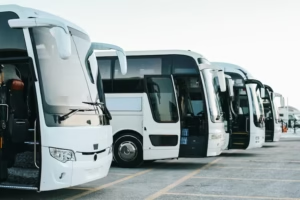

A festival can have the right artists, great food, and a sold-out crowd – then lose goodwill before the first set begins because guests are stuck in traffic, circling for parking, or waiting for a shuttle that never arrives. Festival transport mistakes are rarely just transportation problems. They affect gate lines, security staffing, vendor schedules, accessibility, and the overall experience people remember.
For organizers, community groups, corporate outing planners, and private groups, the goal is not simply to move people from Point A to Point B. It is to create a dependable arrival and departure plan that keeps the event on schedule and gives every passenger a clear answer to one question: Where do I need to be, and when?
1. Booking Transportation After Everything Else
Transportation is often treated as a final detail, booked after the venue, talent, catering, and ticketing are locked in. That approach can create expensive limitations. By the time a planner begins calling for vehicles, the most suitable pickup windows may be unavailable, local access roads may already be restricted, or the only remaining vehicle options may not fit the group.
Start transportation planning when the event date and venue are confirmed. The earlier you map expected attendance, arrival patterns, and parking constraints, the easier it is to reserve the right vehicle mix and build a workable schedule.
This matters especially for popular summer weekends and major events across Boston, New Hampshire, Rhode Island, and surrounding New England destinations. Vehicle availability is only one factor. Experienced drivers, staging areas, and venue access plans need to align, too.
2. Using Passenger Counts Instead of Real Attendance Patterns
A headcount tells you how many people may need a ride. It does not tell you how they will travel.
For example, 200 attendees might not require four full motorcoaches at one exact time. Some may arrive early for volunteer check-in, others may come with families, and VIPs, performers, or sponsors may need separate service. A transportation plan based only on the total registration count can leave vehicles underused at one point and overwhelmed at another.
Break the group into travel waves. Consider staff and vendors, general attendees, VIP guests, people with mobility needs, and late-arriving participants. Then identify whether each group needs a motorcoach, minibus, Sprinter, sedan, SUV, or a different arrangement entirely.
A 56-passenger motorcoach can be a practical choice for a large park-and-ride group, while a 24- to 40-passenger minibus may better serve a hotel shuttle loop. Smaller chauffeured vehicles can keep speakers, performers, or event leadership moving without disrupting guest transportation.
3. Assuming the Venue Has a Usable Loading Zone
A pin on a map is not a transportation plan. Festival venues may have narrow approach roads, limited turning space, competing vendor traffic, pedestrian-only areas, or gates that are not suitable for buses. In downtown areas, the closest entrance may also be the worst place for a large vehicle to stop.
Before confirming service, establish exactly where vehicles will enter, stage, load, unload, and exit. Ask the venue whether there are height limits, restricted hours, temporary road closures, or required permits. A site visit can be worthwhile for complex festivals, particularly when multiple vehicles will arrive within a short period.
The best drop-off point is not always the closest one. A location a short, well-marked walk from the gate may be safer and faster if it allows passengers to unload away from traffic and gives buses room to pull out without blocking the road.
Plan for the Driver’s Full Movement
A professional driver needs more than an address. Provide a site contact, a direct phone number, the preferred entrance, the vehicle staging location, and instructions for what to do if roads are blocked. If law enforcement, venue security, or parking staff will direct traffic, make sure they know when buses are expected and where they belong.
4. Creating a Schedule With No Buffer Time
Festival schedules tend to look clean on paper: depart at 4:00 p.m., arrive at 4:30 p.m., and begin the event at 5:00 p.m. Real conditions are less predictable. A single late passenger, a highway backup, a delayed security check, or a long line at the entrance can affect the entire flow.
Build buffer time into both arrival and departure plans. The amount depends on the route, event size, and access conditions, but a schedule with no room for traffic or loading is fragile from the start.
Arrival buffers are particularly valuable for staff, volunteers, and vendors. Those groups should generally arrive before the main guest wave, giving them time to set up and resolve issues before attendees appear. For guests, early arrival also spreads demand at ticket scanning, bag checks, and concessions.
Departure deserves the same attention. If every shuttle is scheduled at the exact moment the headline act ends, expect long queues and frustrated passengers. Staggering departures, setting clear pickup windows, or operating a planned shuttle loop may be more practical depending on your crowd and venue layout.
5. Treating Communication as a Last-Minute Email
Even a well-designed transportation plan fails if passengers do not understand it. Sending one email the night before with a pickup address is not enough, especially for a group that includes guests from different organizations, families, or out-of-town visitors.
Give passengers simple, specific instructions well in advance: pickup location, arrival time, departure time, what vehicle or sign to look for, estimated ride time, and who to contact if they are running late. Repeat the essential details closer to the event date.
Avoid vague directions such as “meet near the main lot.” Instead, name a landmark, provide the correct street address, and explain where passengers should wait. If multiple vehicles are running, label routes in a way that makes immediate sense, such as “Downtown Hotel Shuttle” and “North Lot Return Shuttle.”
On event day, designate one transportation point person. That person should have the driver contact information, the final itinerary, passenger counts, and authority to make quick decisions. A single informed contact prevents conflicting instructions and keeps drivers from having to chase down answers while passengers wait.
6. Forgetting Accessibility, Comfort, and Safety Needs
Transportation capacity is not the same as passenger readiness. A festival group may include older adults, children, guests using mobility devices, people carrying gear, or attendees who need a quieter and more direct ride. Ignoring those needs can turn a simple shuttle into an uncomfortable or unsafe experience.
Ask passengers about accessibility requirements during registration when possible. Confirm the appropriate vehicle and loading process early, not after everyone is standing at the curb. Keep walking distances from drop-off to entry realistic, and make sure the route is usable after dark if the event ends at night.
Comfort also supports punctuality. Clean, climate-controlled vehicles and professional drivers help passengers arrive settled and ready for the event, rather than overheated, confused, or frustrated by the trip itself. For longer rides, onboard restrooms and luggage capacity may influence the right motorcoach selection.
7. Choosing the Lowest Quote Without Comparing the Plan
Price matters, and responsible planners need a clear quote. But the lowest number is not automatically the lowest-risk choice. An incomplete quote may exclude waiting time, parking, tolls, additional stops, late-night service, or the vehicle type needed for your actual passenger count.
Compare transportation proposals based on the full operating plan. Is the pickup time confirmed? Is the vehicle appropriate for the group? Are the route, wait time, and return trip included? Who is available if the itinerary changes? A transparent quote should make those details understandable before a deposit is placed.
It is also worth asking how the provider handles day-of coordination. Festivals are live events, and small changes happen. A transportation partner with professional, vetted drivers and responsive support gives planners a better chance of solving an issue quickly rather than leaving guests stranded.
Build a Festival Plan Guests Can Trust
The strongest festival transportation plan feels almost invisible to attendees. They know where to go, board a clean vehicle on time, arrive safely, and leave without a long, confusing wait. That outcome comes from early planning, realistic timing, clear communication, and vehicles matched to the way your group will actually travel.
Charter a Coach can help organizers build custom group transportation around their festival itinerary, passenger count, and pickup needs. Check availability early, confirm the operational details, and give your guests one less thing to worry about on event day.