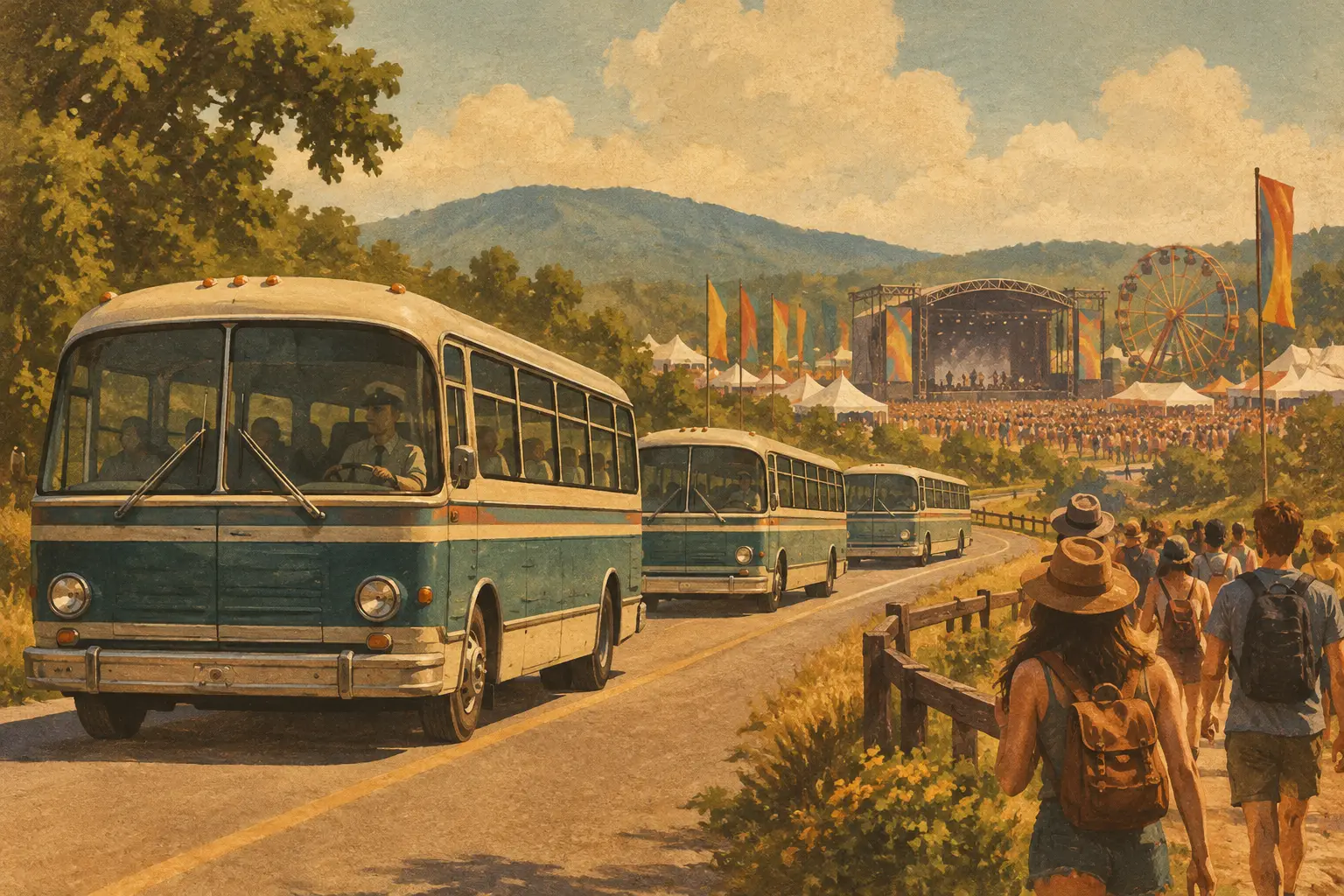
A festival can have a strong lineup, great food vendors, and plenty of parking, then still leave guests frustrated if they spend an hour waiting for a ride back to their hotel. To route festival shuttles well, planners need more than a vehicle count. They need a plan for where guests gather, when demand spikes, how drivers access the site, and what happens when traffic does not follow the schedule.
For multi-day music festivals, food events, fairs, and community celebrations, transportation is part of the guest experience from the first arrival through the final departure. A clear shuttle operation protects the event timeline, keeps pickup areas safer, and gives attendees one less thing to figure out.
Start With Passenger Demand, Not the Venue Map
The venue map matters, but it should not be the first routing decision. Start by estimating how many people will actually use each shuttle route. Break those numbers down by hotel, off-site parking lot, transit connection, staff area, VIP entrance, or other origin point.
Do not assume every attendee will arrive and leave at the same time. Festival transportation typically has three different demand periods: a gradual arrival window, a concentrated rush before headline acts or peak programming, and a much larger departure surge at closing. The last hour of the event may require more capacity than the rest of the day combined.
Ask hotels and group leaders for room-block counts, use ticket buyer ZIP code data when it is available, and review attendance patterns from prior years. If the festival is new, build in a practical buffer rather than booking only for the expected average. A few additional seats are less costly than stranded guests, overwhelmed staff, and a delayed final departure.
Build Routes Festival Shuttles Can Actually Run
The fastest route on a map is not always the best operating route. A route must work for the size of the vehicle, local traffic patterns, loading space, police details, road closures, and the driver’s ability to turn around safely.
Choose direct routes whenever possible. A shuttle that makes too many hotel stops creates unpredictable travel times and encourages guests to drive themselves. If several pickup locations are close together, consider assigning them to one well-marked hub rather than adding every property as a stop.
Each route should have one clear purpose. For example, a hotel loop may serve overnight guests, while a park-and-ride route serves local attendees and an employee route runs on an earlier schedule. Combining all three groups into one loop often produces confusion and longer waits for everyone.
Plan the loading zones as carefully as the roads
A shuttle route can fail at the final 100 yards. At the festival, confirm exactly where buses enter, unload, wait, and exit. The loading zone needs enough room for guests to form a line without spilling into vehicle traffic or blocking emergency access.
At off-site locations, identify a pickup point that is visible, well lit, and easy to reach on foot. Hotel entrances can be convenient, but they may not have enough curb space for a motorcoach during busy check-in periods. In some cases, a nearby designated lot is the better choice.
Drivers should receive the same written routing details, including entrance gates, staging locations, radio or dispatch contacts, and any required credentials. A verbal description is not enough when the venue has multiple access roads or temporary traffic patterns.
Match Vehicle Size to the Route and the Crowd
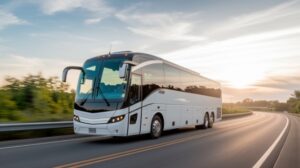
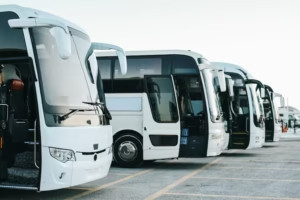
Vehicle selection should follow both passenger volume and site conditions. Full-size motorcoaches can carry up to 56 passengers and work well for high-volume park-and-ride routes, large hotel blocks, and longer trips from Boston or surrounding communities. They reduce the number of vehicles needed during a departure surge.
Minibuses are often the more practical choice for smaller groups, hotel loops, and sites with tighter access. Mercedes Sprinters can support VIP movements, artist transportation, sponsor groups, or smaller staff teams that need flexible scheduling. The right mix may include more than one vehicle type.
Capacity on paper is only one consideration. If guests will carry folding chairs, strollers, coolers, or festival gear, allow extra space. If your event welcomes guests with mobility needs, discuss accessible transportation requirements before confirming the schedule. The route, loading area, and vehicle plan must all support the experience you promise attendees.
Schedule for Peaks and Build a Recovery Window
A fixed shuttle every 30 minutes may look organized, but it can break down quickly when several hundred people leave at once. For festival operations, frequency should change with demand. Run more vehicles closer together before gates open and after the final act, then use a lighter schedule during lower-demand periods.
The schedule should also include recovery time. Traffic backups, late performances, security holds, and loading delays happen. If every trip is scheduled down to the minute, one late departure can affect every run after it. A realistic buffer gives drivers time to complete the route safely without pressure to make up time on the road.
For the closing rush, it is often better to stage vehicles at or near the venue before the final performance ends. That approach reduces deadhead time and lets guests begin leaving as soon as the event clears. The trade-off is that staging space must be secured in advance, and drivers need clear instructions about when to pull into the loading zone.
Give Guests Instructions They Can Use in Seconds
Good routing is invisible when communication is poor. Guests do not need a transportation operations manual. They need to know where to go, when the shuttle runs, what the vehicle signage looks like, and what to do if they miss the last scheduled trip.
Use the same route names across event emails, parking passes, hotel materials, signs, and staff briefings. Avoid labels that sound similar, such as “North Lot” and “North Gate,” if they serve different functions. At the event, place visible directional signs before guests reach the loading area, not only at the curb.
For a busy festival, staff members or transportation ambassadors should be assigned to the most active stops. They can direct guests, monitor lines, identify the correct vehicle, and alert dispatch when a queue is growing faster than expected. This real-time visibility is especially valuable after weather delays or schedule changes.
Prepare for the Disruptions You Can Predict
The best festival shuttle plan includes contingencies before they are needed. Weather, construction, a road closure, or a performance that runs late can change demand immediately. Establish who has authority to add trips, shift vehicles between routes, or hold a final departure for guests still inside the venue.
Create an operations sheet with the essential details for every route: pickup addresses, scheduled times, driver contacts, vehicle assignments, staging instructions, venue contacts, and alternate access routes. Share it with the transportation provider, event operations team, security lead, and site manager.
A single point of contact should manage decisions on the event day. When several people independently request changes from drivers, the schedule becomes difficult to control. A professional transportation partner can help monitor service, but the festival team should also have one informed decision-maker who can prioritize the guest experience.
Choose a Transportation Partner That Plans Beyond Pickup
Festival transportation is not a standard point-to-point reservation. It requires a provider that can evaluate your passenger volume, recommend vehicle types, coordinate timed departures, and respond when the event schedule changes.
When requesting a quote, provide the event dates, expected attendance, route stops, operating hours, estimated ridership, venue access information, and any special requirements. The more complete the itinerary, the more accurate the vehicle plan and pricing will be. Ask how driver communication, staging, after-hours support, and schedule adjustments will be handled during the event.
Charter a Coach helps New England event planners coordinate custom shuttle service with professional drivers, clean vehicles, and schedules built around the way guests actually move. For festivals in Boston, Rhode Island, New Hampshire, or Cambridge, early planning gives your team more vehicle options and a better chance to secure practical staging locations.
A well-run shuttle does more than move people from one place to another. It lets guests arrive relaxed, leave safely, and remember the festival for the experience you intended to create. Get Charter Rates early, confirm your routes before site plans are final, and give your transportation plan the same attention as the stage schedule.