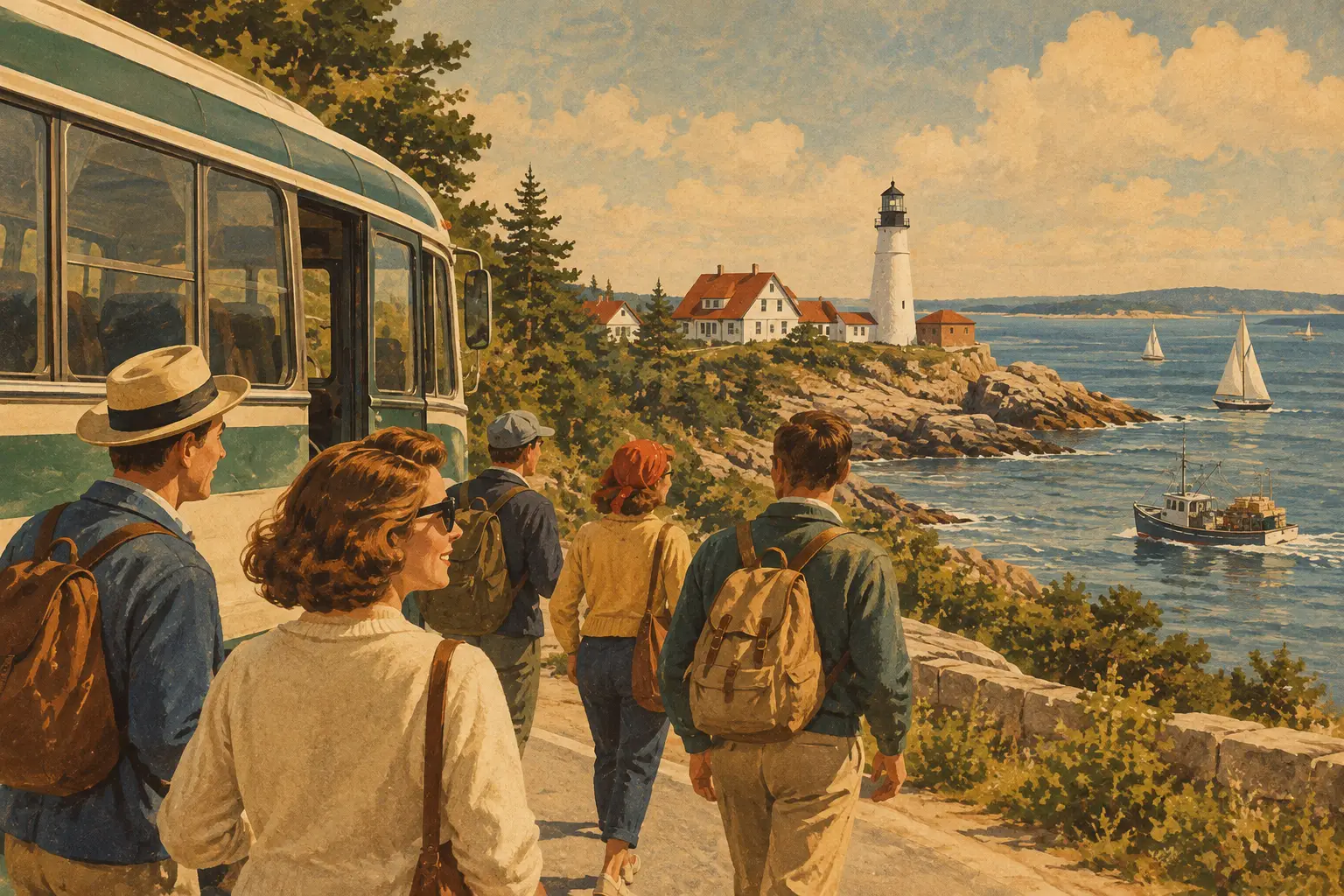
A lobster bake reservation can be moved. A wedding ceremony, cruise departure, or conference welcome session usually cannot. That is what makes Maine coastal group travel different from an ordinary bus trip: the itinerary often runs on narrow roads, limited parking, seasonal traffic, and fixed event times. Transportation needs to protect the schedule, not add another problem for the planner to manage.
For groups arriving from Boston, New Hampshire, Rhode Island, or elsewhere in New England, the best trips begin with practical decisions well before departure. Passenger count, luggage, pickup windows, venue access, and the amount of time your group can comfortably spend traveling all affect the vehicle and routing plan. A dependable charter partner turns those details into a clear operating plan, with a professional driver, clean vehicle, and an itinerary built around your actual day.
Start Maine Coastal Group Travel With the Itinerary
Maine’s shoreline is full of memorable destinations, but it is not designed around large-group movement. Historic village centers, waterfront inns, trailheads, and popular restaurants can have tight entrances, restricted curb space, or limited room for a full-size motorcoach to wait. The right transportation plan accounts for that before guests are standing outside with bags in hand.
Build the itinerary from fixed commitments outward. Start with the ceremony time, venue check-in, meal reservation, museum entry, ferry departure, athletic event, or meeting agenda. Then establish a realistic pickup time, travel buffer, rest stop plan, and return window. If the group is changing locations during the day, specify every stop rather than treating transportation as a simple round trip.
This matters especially on summer Fridays, holiday weekends, and peak foliage dates. A route that is comfortable on a weekday morning can move much more slowly when visitors are headed toward the coast. Leaving early is often a better experience than cutting the schedule close. Guests have time to settle in, and the event begins without the stress of late arrivals.
Plan for the Last Mile, Not Just the Highway
Interstate travel may be straightforward, but the final miles can determine whether the day stays on time. Ask each venue where a charter vehicle can load, unload, stage, and turn around. Confirm whether the driver can remain on site or needs an off-site staging plan. For wedding venues and private homes, also consider whether the road surface, driveway width, low branches, or parking area is appropriate for the vehicle you are considering.
A good plan may include a designated guest pickup point a few minutes from the venue rather than asking a motorcoach to navigate an unsuitable drive. That small adjustment can improve safety, protect the property, and keep the schedule predictable.
Choose a Vehicle That Fits the Group and the Day
The largest vehicle is not automatically the best choice. The right fit depends on headcount, comfort expectations, baggage, venue access, and whether the group is moving together or in waves.
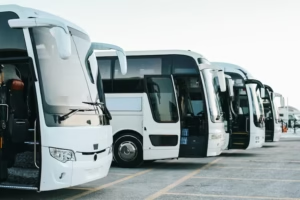
A 56-passenger motorcoach is a strong option for larger wedding guest lists, school groups, corporate retreats, and multi-day tours. It keeps the group together, gives passengers room to relax on longer travel days, and reduces the number of vehicles arriving at a venue. For a group of roughly 24 to 40 passengers, a minibus may be more practical, particularly when road access and parking are tighter.
Mercedes Sprinters work well for executive teams, small wedding parties, airport transfers, and groups of 10 to 14 people that need a more compact vehicle. Executive sedans and SUVs can support VIP arrivals or smaller movements where privacy and timing matter most. For a large event with multiple pickup locations, a combination of vehicle types can be more efficient than forcing everyone into one schedule.
Do not estimate passenger count too casually. Include children who need seats, photographers or coordinators traveling with the group, and guests who may bring luggage, coolers, golf clubs, or event materials. A full passenger count without a luggage plan can make an otherwise comfortable trip feel crowded.
When Two Shuttle Loops Are Better Than One
Wedding transportation often works best with planned shuttle waves. One departure might bring guests from hotels to the ceremony, while a later run moves guests who need additional preparation time. At the end of the night, several return loops can be safer and more convenient than asking every guest to leave at once.
This approach is not always necessary. If the venue has a single hotel block and ample arrival space, one motorcoach may be the simplest choice. But for spread-out lodging, a long reception, or guests who may not want to drive after celebrating, scheduled return service provides a clear, responsible option.
Build Time Buffers That Guests Will Actually Feel
Travel time is more than the time shown on a map. Groups take longer to board than individual travelers, and rest stops, traffic, weather, and venue access all add variables. A reliable itinerary includes reasonable slack without making guests feel as though they are waiting around all day.
For a coastal day trip, give the group a clear boarding time and a separate departure time. For example, boarding can begin 15 minutes before the vehicle needs to leave. That creates a simple expectation: passengers should be ready, and the driver can depart on schedule. At major pickups, a group leader should be the point of contact for headcounts and last-minute questions so the driver can focus on safe operation.
Multi-day charters need even more coordination. Hotel check-in times, luggage handling, evening dinners, and early-morning departures should be shared in advance. If your group will use the same vehicle throughout the trip, confirm the driver schedule and overnight parking plan as part of the reservation. Details handled early are less likely to become day-of disruptions.
Put Safety and Communication at the Center
A coastal itinerary should feel relaxed to passengers because the logistics behind it are organized. That starts with professional, vetted drivers who know the importance of defensive driving, punctual pickups, and clear communication. Clean, well-maintained vehicles also matter. They set the tone for a corporate retreat, reassure parents on a student trip, and let wedding guests arrive looking ready for the occasion.
Give passengers only the information they need: pickup location, boarding time, expected ride length, return instructions, and a group contact. For weddings, include shuttle details on the event website or invitation insert. For corporate travel, share the plan in the meeting agenda and name a transportation lead. For schools and community groups, distribute the schedule to families and chaperones before departure.
It also helps to plan for changes honestly. Coastal weather can shift quickly, and a delayed flight, road closure, or late venue release may require an adjustment. Choose a transportation provider that is responsive when plans change, rather than one that leaves the organizer trying to coordinate drivers through multiple channels. Charter a Coach provides 24/7 phone support for groups that need answers before or during their trip.
Request a Quote With Details, Not Guesses
An accurate charter quote depends on the real itinerary. Provide the travel date, passenger count, all pickup and drop-off locations, approximate luggage needs, planned stops, and expected final return time. If the group is visiting a remote venue or a property with access concerns, say so at the start.
Transparent planning protects your budget as well as your timeline. An itinerary with additional shuttle loops, overnight service, or multiple vehicle types may cost more than a basic point-to-point transfer, but it may also prevent parking complications, guest delays, and separate reimbursement requests. The goal is not simply to find transportation. It is to book the level of service your event actually needs.
For Maine coastal group travel, the best transportation plan is the one guests barely have to think about. They board on time, ride comfortably, arrive safely, and leave with the day remembered for the coastline, the celebration, or the people they traveled with. Share your itinerary early, check availability, and get charter rates built around the schedule you cannot afford to miss.