A mobility device should never be an afterthought in a transportation plan. So, can drivers accommodate mobility devices? Often, yes – but safe accommodation depends on the vehicle, the device, the passenger’s needs, and advance coordination. For a wedding shuttle, campus outing, corporate meeting, or multiday group trip, the right question is not simply whether a driver can help. It is whether the confirmed vehicle and trip plan are equipped to support every traveler safely and on time.
Can Drivers Accommodate Mobility Devices on Charter Trips?
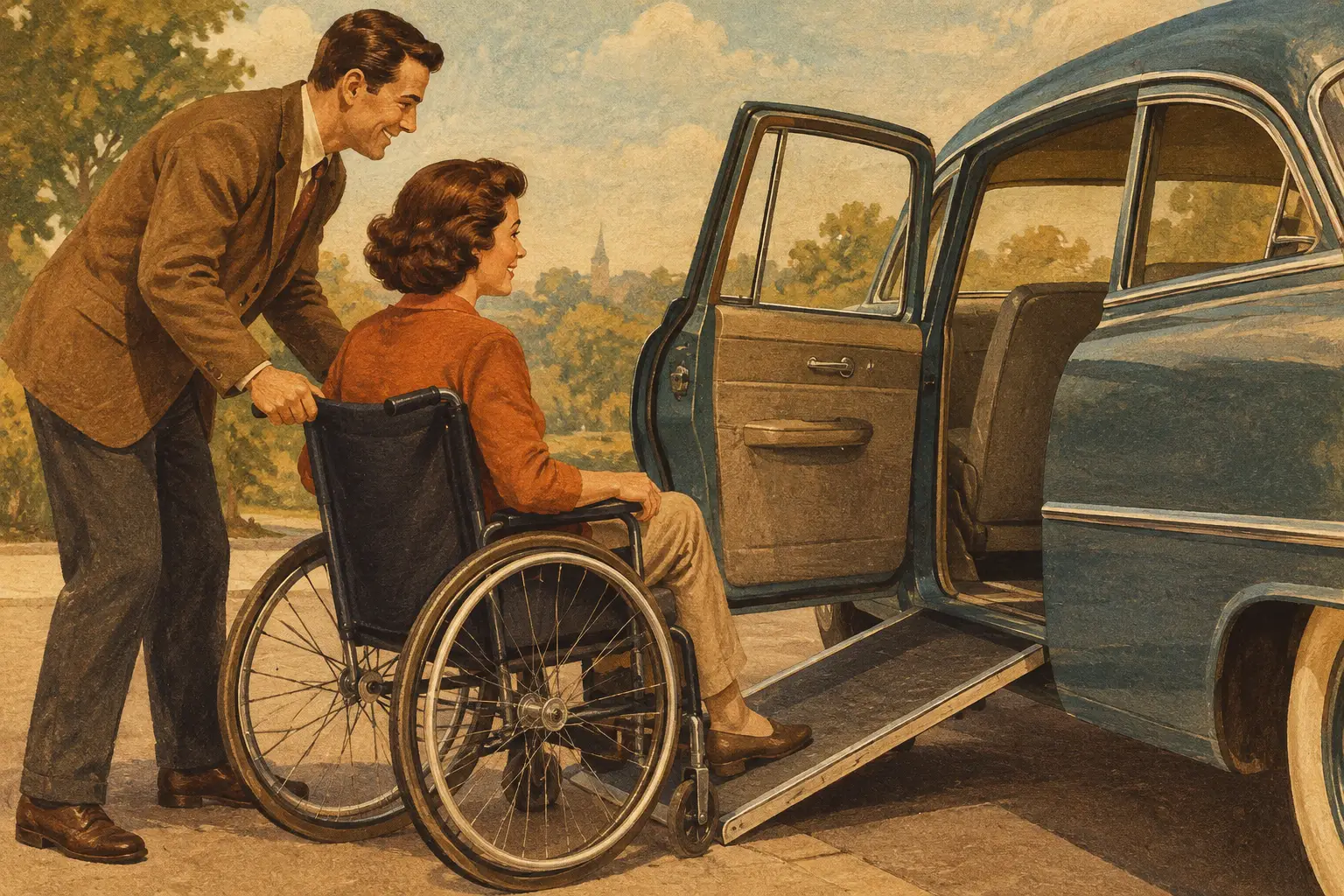
Professional drivers can assist with the boarding process and operate accessibility equipment when the assigned vehicle is designed for it. That may include deploying a wheelchair lift or ramp, securing an occupied wheelchair in an approved position, and helping passengers board according to established safety procedures.
What a driver can do is not unlimited, and that protects both the passenger and the group. Drivers should not be expected to lift a passenger, carry a person up steps, disassemble an unfamiliar device, or make an unsafe judgment call at the curb. A trained chauffeur follows the vehicle’s operating procedures, uses approved securement systems, and keeps the schedule moving without compromising safety.
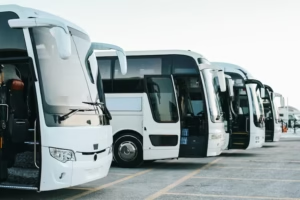
Not every charter vehicle has the same accessibility features. A motorcoach, minibus, Sprinter, and SUV serve different trip needs, and an accessible configuration must be requested and confirmed before the reservation is finalized. A standard vehicle with luggage space is not automatically able to transport a wheelchair or scooter, especially if the device will remain occupied during travel.
The Details That Determine Whether a Device Can Travel
The phrase “mobility device” covers a wide range of equipment. A folding manual wheelchair may be stored differently from a powered wheelchair, a mobility scooter, walker, rollator, or portable oxygen equipment. A planner who shares the device details early gives the transportation team time to match the group with an appropriate vehicle rather than trying to solve a space or boarding issue at pickup.
For wheelchairs and scooters, vehicle access is the first consideration. The device must fit the lift or ramp, doorway, aisle approach, and designated securement location. Weight also matters. Powered devices can be significantly heavier than manual chairs, and lifts have specific operating limits. The make, model, dimensions, total weight, and battery type are useful details to provide when requesting a quote.
Storage is a separate question. If a passenger can transfer to a regular seat, some devices may be folded and placed in a designated storage area. That option depends on the device, available luggage capacity, and whether it can be stored without damage or creating a hazard. A scooter or power chair generally should not be treated as ordinary baggage. It may require an accessible position, approved securement, or a different vehicle arrangement altogether.
Securement is equally critical. An occupied wheelchair must be positioned and secured using the vehicle’s approved equipment, with an appropriate occupant restraint system where required. Improvised straps, holding the chair in place by hand, or relying on the device’s parking brake are not acceptable substitutes. Good planning makes this process routine rather than stressful at the curb.
What to Tell Your Transportation Provider Before Booking
A clear request prevents last-minute surprises. Start by explaining whether the passenger will remain in the mobility device during the ride or can transfer to a vehicle seat. Then share the type of device and, when possible, its measurements and weight.
It also helps to describe the complete itinerary. Pickup and drop-off locations can be just as important as the vehicle itself. A lift needs a safe, reasonably level place to deploy. Tight hotel drives, steep curbs, crowded venue entrances, construction zones, and busy airport curbs can all affect boarding. If a group is traveling through Boston, Cambridge, Rhode Island, or New Hampshire, allowing time for curb access and traffic conditions helps keep the trip on schedule.
Let the provider know about the total passenger count, luggage volume, and any additional accessibility needs. A group of 20 travelers with two occupied wheelchairs and airport luggage may need a different vehicle plan than a group of 20 travelers carrying only day bags. The goal is to protect comfort and accessibility without sacrificing the capacity the group needs.
For recurring employee shuttles, student trips, or community outings, document these details in the transportation profile. Consistency helps dispatchers assign suitable vehicles and gives drivers the information they need before arriving at the first stop.
Why Advance Notice Makes the Difference
Accessible transportation is a logistics decision, not a request to handle at the door. Advance notice allows the provider to confirm accessible vehicle availability, verify equipment specifications, plan seating and luggage capacity, and schedule enough time for safe boarding.
It also gives the driver a complete picture of the trip. A driver who knows an accessible pickup is scheduled can arrive prepared, identify the safest loading position, and build boarding time into the route. That preparation is especially valuable for time-sensitive events such as weddings, airport departures, conferences, and school activities where one delayed departure can affect the entire day.
Accessibility requirements and equipment availability can vary by service type, location, and itinerary. Rather than assuming a vehicle can accommodate a device because it is large, ask for written confirmation of the specific accessibility arrangement. Confirm the vehicle type, lift or ramp availability, securement setup, seating arrangement, and any limitations that may affect the passenger’s device.
Build Enough Time Into the Itinerary
Accessible boarding is not a delay. It is part of a properly planned trip. A charter schedule should include realistic time at the first pickup, as well as at major stops where passengers will exit and reboard. Rushing the process is unsafe and creates unnecessary pressure for the passenger, driver, and group leader.
For event planners, this may mean scheduling the shuttle’s first departure a few minutes earlier than a standard loading plan. For corporate travel, it may mean placing an accessible pickup point near the building entrance and communicating it clearly to attendees. For schools and organizations, it may mean confirming who will be present to support the passenger if they travel with a companion, aide, or staff member.
The passenger should never be left to explain their needs repeatedly at every stop. A well-coordinated reservation puts the right information in the trip notes, while still respecting privacy and sharing only what is necessary for safe service.
Avoid These Common Planning Mistakes
The most common mistake is booking by passenger count alone. Capacity numbers are useful, but they do not account for accessible seating positions, mobility devices, luggage, or the layout needed for safe movement inside the vehicle.
Another mistake is describing every device as a “wheelchair.” A compact folding chair, bariatric chair, three-wheel scooter, and complex rehabilitation power chair have very different dimensions and handling requirements. Specific information leads to a more accurate vehicle recommendation and quote.
Finally, do not assume that a family member, colleague, or driver can simply lift a device into the vehicle if storage becomes tight. Devices can be heavy, expensive, and sensitive to improper handling. If there is any uncertainty, address it before the trip is confirmed.
A Better Standard for Group Accessibility
Reliable accessible group transportation is built around preparation: the correct vehicle, a safe boarding location, trained professional drivers, proper securement, and a schedule that respects the passenger’s needs. It also requires honest communication about what can be accommodated on a particular trip.
At Charter a Coach, that conversation starts before the vehicle is assigned. Sharing mobility-device requirements during the quote process allows the team to plan the trip around the people traveling, not force passengers to fit a generic transportation plan.
When you are ready to arrange transportation, bring the device details, passenger count, luggage needs, and full itinerary to the first call. A few minutes of clear planning can turn an uncertain pickup into a calm, safe departure for everyone on board.