
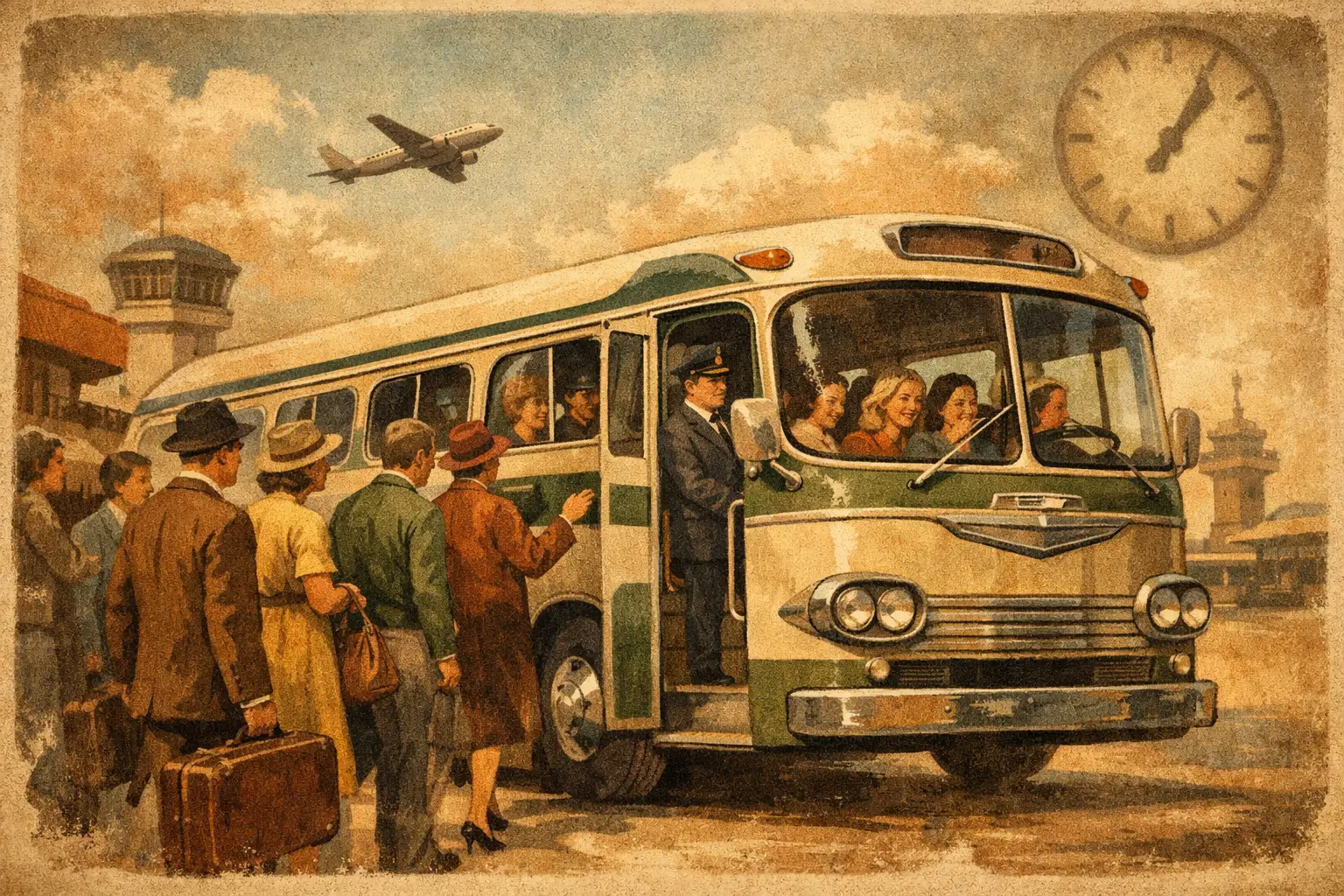
One late shuttle can throw off an entire event. Guests miss the ceremony, employees arrive stressed, students stand curbside waiting, and the person planning transportation ends up fielding every call. That is why private group bus rentals are less about getting from point A to point B and more about protecting the schedule, the experience, and the reputation attached to the trip.
For most groups, the real value is control. A private vehicle means your itinerary, your pickup windows, your passenger list, and a driver focused on your group alone. That matters whether you are moving wedding guests between hotels and a venue, coordinating a corporate offsite, arranging student transportation, or planning a long-distance group trip where timing is non-negotiable.
When private group bus rentals make the most sense
The best use cases are the ones where timing, coordination, and guest experience all matter at once. Weddings are the obvious example. A guest shuttle keeps everyone moving together, reduces parking pressure at the venue, and limits the risk of late arrivals. It also gives couples and planners one less operational problem to manage on the day itself.
Corporate travel is another strong fit. If your team is heading to a conference, client event, airport, or multi-site meeting, group transportation turns a fragmented travel day into a controlled schedule. People arrive together, the route is planned in advance, and there is no need to manage multiple reimbursements, rideshares, or personal vehicles.
Schools, universities, and community organizations often need even more structure. Student travel, athletic events, performances, and church outings all require dependable vehicles, professional drivers, and a plan that works under real-world conditions. Safety expectations are high, and they should be. The transportation provider should be prepared to support both the trip itself and the planning behind it.
Private leisure groups also benefit more than many first-time planners expect. Casino trips, day excursions, family reunions, and tours feel simpler when everyone leaves together, arrives together, and has a clear return plan. For these groups, convenience is a major part of the value.
Choosing the right vehicle for private group bus rentals
Vehicle selection shapes both comfort and cost. A larger bus is not always the better choice, and going too small creates its own problems. The right fit depends on passenger count, luggage, trip length, and the tone of the event.
A motorcoach is typically the best option for larger groups and longer runs. If you are moving up to 56 passengers between cities or over several hours, that extra space matters. It gives riders room to settle in and makes the day easier on everyone, especially for formal events, employee transport, or regional travel across New England.
A minibus usually makes more sense for mid-sized groups. It is efficient for wedding shuttles, local corporate moves, team transportation, and short-to-medium trips where you still need comfort and professional service but do not need a full-size coach. For many planners, this is the sweet spot between capacity and value.
A Sprinter van or executive vehicle is often the right call for VIP transfers, airport movements, and smaller private groups. If the group is small but expectations are high, using the right vehicle improves the experience without paying for capacity you do not need.
This is where a good transportation partner earns trust. The goal should not be to sell the biggest vehicle. It should be to match the trip to the vehicle in a way that supports the itinerary, keeps the group comfortable, and avoids unnecessary cost.
What good planning looks like before you book
The smoothest trips start with complete information. If you are requesting quotes for private group bus rentals, the most useful details are simple: date, passenger count, pickup and drop-off locations, rough timing, and whether the trip is one-way, round-trip, or multi-day. If there are multiple stops, build those in early rather than adding them later.
It also helps to think beyond the route itself. Will guests be carrying luggage? Is the venue in a dense urban area with limited bus access? Do you need return transportation late at night? Is there a contact person on-site who can help coordinate departures? These details affect both scheduling and vehicle choice.
For airport service, precision matters even more. A group pickup at Logan works best when the provider has clear flight details, terminal information, and a backup plan for delays. For weddings and formal events, planners should leave room in the schedule for loading, traffic, and staggered guest departures. Building a little buffer into the itinerary is not overplanning. It is what keeps the day on track.
The trade-offs planners should understand
Not every group trip needs the same level of service, and that is where practical decision-making matters. If your group is small and your route is short, a full motorcoach may be more capacity than you need. On the other hand, trying to save money by splitting a larger group across personal cars or rideshares often creates more risk than expected. Arrivals become uneven, communication gets messy, and accountability disappears.
There is also a difference between a simple transfer and a fully managed charter. A one-way move from a hotel to a venue is straightforward. A multi-stop itinerary with return service, changing passenger counts, and several contacts requires more coordination. Neither is wrong, but expectations should match the complexity of the trip.
Budget matters too, and experienced planners know that the cheapest transportation option is not always the lowest-cost choice once delays, missed timing, guest confusion, and service issues are factored in. Clear pricing, defined trip details, and dependable execution usually save more than they cost.
What to expect from a professional provider
A serious group transportation company should make the process easier, not harder. That starts with responsive quoting and clear communication. You should know what vehicle is being proposed, what the reservation covers, how timing is handled, and what the next step is to secure the trip.
Operational reliability is the standard that matters most. Clean vehicles, professional vetted drivers, and on-time pickups are not extras. They are the baseline. If your transportation provider cannot speak clearly about punctuality, driver standards, and trip coordination, that is a problem.
Support also matters when plans change. Group travel rarely runs perfectly from start to finish. Flights move, events run long, and pickup points can shift. A provider with real scheduling discipline and 24/7 availability is better positioned to handle those moments without creating new issues for the organizer.
That is one reason many planners across Boston, Cambridge, New Hampshire, and Rhode Island use a dedicated charter service instead of piecing transportation together on their own. When the route, timing, and guest experience all matter, structure matters.
How to book private group bus rentals with fewer surprises
Start early when you can, especially for weddings, school travel, and peak event weekends. Better lead time improves availability and gives you more flexibility in vehicle selection. It also leaves room to refine the itinerary before it becomes urgent.
Once you request a quote, review it with the schedule in mind, not just the total cost. Confirm the passenger count, the trip type, the service hours, and the pickup plan. If your itinerary has any variables, mention them before booking. Transportation works best when the provider is planning for the real trip, not an idealized version of it.
Before the day of service, make sure there is a clear point of contact on both sides. The planner should know who to call, and the transportation team should know who is managing departures. This sounds basic, but it prevents confusion when timing gets tight.
Charter a Coach reflects what most planners are actually looking for: vehicle options that fit the group, transparent quoting, and a process built around safe, punctual execution. That combination tends to matter most when the schedule is full and there is no room for transportation mistakes.
Private transportation is at its best when nobody has to think about it on the day of the trip. The guests board, the driver arrives on time, the vehicle is clean, and the itinerary works the way it was supposed to. That kind of calm does not happen by accident. It comes from planning the trip well and choosing a provider that treats timing and safety as non-negotiable.