When 35 guests need to arrive at a wedding venue before the ceremony, the transportation choice is not just about getting people from one address to another. Bus rental versus carpooling affects when guests arrive, who gets lost, where vehicles park, and how much responsibility lands on the event planner. The better option depends on the group, the itinerary, and how much room there is for a delayed arrival.
For a small, flexible outing, carpooling can be practical. For a scheduled event, a school trip, an airport transfer, or any group where everyone needs to arrive together, a professionally chauffeured vehicle usually provides more control. Here is how to make the decision with the details that matter on event day.
Bus Rental Versus Carpooling: The Real Difference
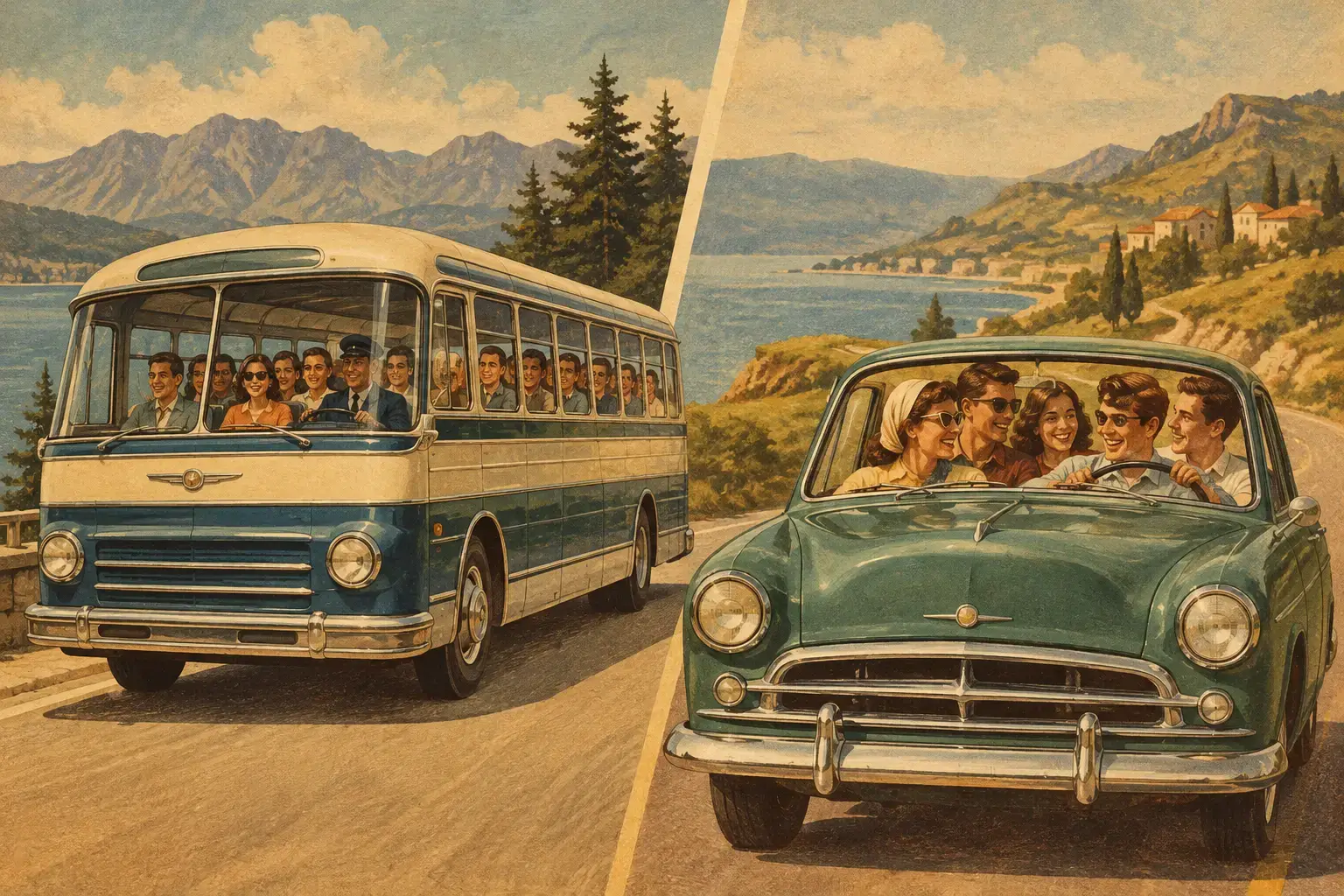
Carpooling distributes transportation across several drivers and vehicles. A bus rental puts the trip under one coordinated plan: one pickup schedule, one designated driver, and one vehicle sized for the group. That difference becomes more valuable as passenger count, distance, and itinerary complexity increase.
Carpooling often looks less expensive at first because participants use cars they already own. But the full cost can be harder to see. Fuel, tolls, parking, mileage, rides between venues, and the time spent coordinating drivers can add up quickly. So can the cost of a late start if one car is waiting for another, or a guest misses an event because they followed the wrong GPS route.
A chartered vehicle has a clear trip quote based on the itinerary, vehicle type, date, and group size. It may not be the lowest number for every short trip, especially for a group of fewer than 10 people. Its advantage is predictability. The planner knows who is driving, where the vehicle will be, and how the group will move throughout the day.
When Carpooling Makes Sense
Carpooling can be a reasonable choice for a small group with familiar routes and a loose schedule. For example, eight coworkers attending a casual dinner near the office may prefer to meet there independently. The same may be true for a neighborhood group heading to a local activity with ample free parking and no required arrival time.
It also works best when every driver is comfortable with the route, every vehicle has room for passengers and belongings, and nobody will be pressured to drive after drinking. Those conditions matter. A plan that assumes volunteers will drive late at night, navigate unfamiliar city streets, or shuttle guests between multiple locations creates avoidable risk.
Carpooling becomes less dependable when vehicles have different departure points, guests are unfamiliar with each other, or the destination has limited parking. A trip to Boston, Logan Airport, or a busy downtown venue can turn a simple carpool into a chain of text messages about traffic, garage entrances, and missing passengers.
Why Coordinated Transportation Protects the Schedule
For planners, timing is usually the deciding factor. Weddings run on ceremony times. Corporate meetings start when executives and clients are seated. Schools need accurate headcounts and planned departure windows. Sports teams need to reach fields, hotels, or tournaments without splitting the roster across several cars.
A bus rental creates a single point of accountability. Guests receive one pickup location and one departure time. A professional chauffeur follows the agreed itinerary and handles the driving while the organizer focuses on the event itself. Instead of tracking five or 10 separate vehicles, the planner confirms one vehicle and one group.
This coordination is especially helpful for multi-stop travel. Consider a wedding shuttle moving guests from a hotel to the ceremony, then to the reception, and back again at the end of the night. With carpools, every driver needs to understand the schedule, remain available, and avoid leaving early. With a shuttle, guests can relax and move together.
Safety Is More Than Having Enough Seatbelts
A carpool plan relies on personal vehicles, volunteer drivers, and individual choices. That may be fine for an informal daytime outing, but it introduces variables that a planner cannot fully manage. Driver fatigue, weather, unfamiliar roads, vehicle condition, and post-event alcohol consumption all deserve consideration.
A chauffeured group vehicle separates the group from those responsibilities. Professional drivers are selected for the job, while passengers can rest, prepare for a meeting, talk with teammates, or enjoy the trip without watching traffic. For student groups, this structure also makes supervision and headcounts far easier than scattering students across family or staff vehicles.
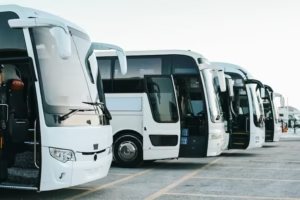
The vehicle itself matters, too. A clean, modern motorcoach or minibus gives passengers space designed for group travel. Luggage storage, climate control, comfortable seating, and room to move are meaningful advantages on longer New England routes or full-day itineraries. Carpooling can leave guests crowded into personal vehicles with limited space for bags, formalwear, sports equipment, or event supplies.
Comparing the Cost Without Missing the Hidden Expenses
The right comparison is not simply the price of a vehicle against the price of gas. Ask what the trip requires to succeed. If 40 people are going to an event, how many cars will be needed? Will the venue charge for parking? Is parking close enough for older guests or guests with mobility needs? Will drivers need to make multiple runs? Who covers tolls, mileage, and wear on personal vehicles?
There is also an administrative cost. Collecting driver information, assigning passengers, sending directions, managing last-minute changes, and tracking arrivals takes time. For a corporate administrator, wedding planner, or school coordinator, that time has real value. A transportation plan should reduce work, not create a second logistics project.
A bus can be particularly cost-effective per passenger when seats are filled. A 56-passenger motorcoach is appropriate for a large group traveling together, while a 24- to 40-passenger minibus can fit many wedding, corporate, and school needs. Smaller groups may be better served by a 10- to 14-passenger Sprinter rather than asking several people to drive.
Choose the Vehicle Around the Trip, Not Just the Headcount
Passenger count is the starting point, but the itinerary should guide the final decision. A group of 30 people going directly from a hotel to a conference center may need a different vehicle than 30 wedding guests traveling with overnight bags, or 30 students carrying equipment. Pickup access, luggage, travel distance, and the number of stops all affect what will work best.
For airport movements, allow room for luggage before selecting a vehicle. For city venues, consider whether the pickup area can accommodate a larger coach. For a multi-day trip, build in driver schedules, hotel timing, and rest stops. These are the details that protect punctuality before the first passenger boards.
Charter a Coach helps planners match the vehicle to the actual trip rather than forcing an itinerary into a one-size-fits-all option. A clear quote and confirmed schedule give organizers a practical way to plan around the transportation, not chase it.
A Simple Decision Rule for Group Planners
Carpool when the group is small, the schedule is flexible, parking is easy, and participants can safely drive themselves without creating coordination problems. Choose a bus rental when the group must arrive together, the event has firm timing, guests will be drinking, parking is limited, or the route involves multiple stops.
The need for control rises with every added passenger and every added stop. What feels manageable with two cars can become complicated with six. If a delayed arrival, lost guest, or parking scramble would disrupt the event, coordinated transportation is usually the safer decision.
A well-planned ride gives guests one less thing to think about. Whether the destination is a wedding, campus visit, company meeting, or weekend trip, the best transportation plan is the one that gets everyone there cleanly, safely, and on time.