
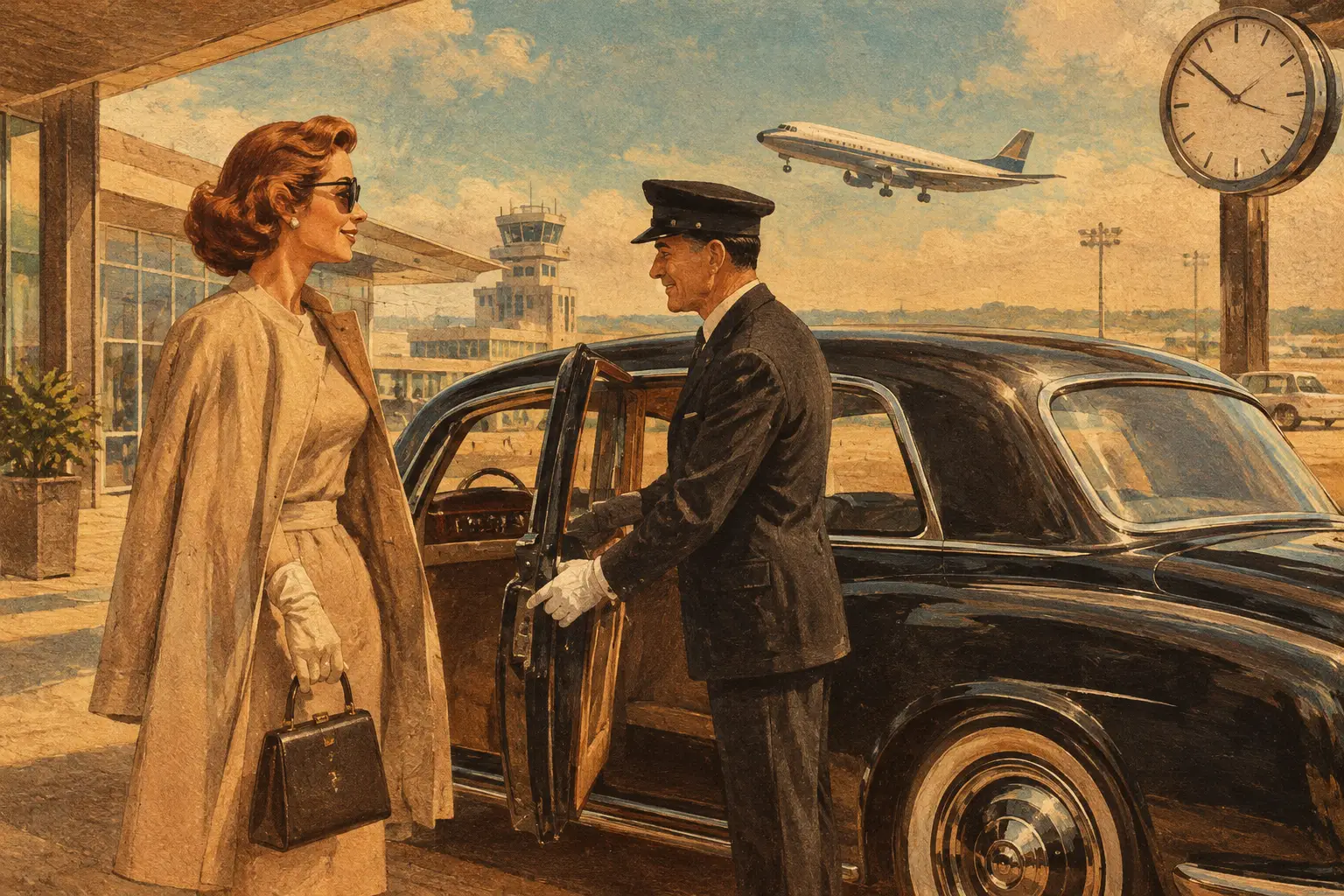
A late car is not a small inconvenience when a board member is headed to Logan, a keynote speaker is due on stage, or wedding guests need to arrive before the ceremony begins. VIP transportation is a logistics decision with a visible impact: it protects the schedule, supports the guest experience, and gives the person coordinating the day one less moving part to manage.
The right service is not defined only by a luxury vehicle. It is defined by a professional chauffeur who knows the itinerary, a clean vehicle matched to the group, clear communication before pickup, and a backup-minded plan for traffic, flights, and changing schedules. For corporate travel, private events, airport arrivals, and high-touch guest movements, those details are what separate a polished experience from a stressful one.
What VIP Transportation Should Deliver
VIP travel needs vary. An executive flying into Boston may need a quiet sedan and a chauffeur who can monitor the flight. A wedding planner may need several SUVs or Sprinters moving family members between a hotel, ceremony, and reception. A company hosting clients may need a coordinated vehicle plan that prevents key guests from waiting curbside or trying to navigate an unfamiliar city.
In each case, the standard is the same: the transportation should feel organized before the passenger steps outside. Pickup instructions should be clear. Chauffeurs should arrive early, present professionally, and understand where they are going. The vehicle should be clean, comfortable, and appropriate for the occasion.
Reliability matters more than excessive features. Leather seating and bottled water may enhance the ride, but they do not solve a missed pickup, an undersized vehicle, or a driver who has not received the latest itinerary. Start with operational fundamentals, then choose the comfort level that fits your guests and budget.
Match the Vehicle to the Movement
The best VIP vehicle is not always the largest or most expensive option. It is the one that gives passengers adequate space, fits the route and venue access, and keeps the group moving without unnecessary transfers.
For one to three travelers, an executive sedan is often the most discreet choice for airport transfers, client dinners, and leadership travel. An executive SUV is a better fit when passengers have substantial luggage, need extra personal space, or are traveling during winter weather. Both options work well when privacy, direct routing, and a calm in-vehicle environment matter most.
Mercedes Sprinters are particularly useful for small VIP groups. They allow 10 to 14 passengers to travel together without the formality or scale of a full motorcoach. This is a practical choice for a leadership team, wedding party, touring group, or visiting executives who need coordinated arrivals but still expect a premium experience.
Larger groups may need a minibus or motorcoach, even when the trip is considered VIP. A board retreat, investor event, gala, or university donor visit can involve dozens of guests. In those cases, keeping everyone on one professionally chauffeured vehicle can be more polished than arranging a long line of individual cars. It also makes timing easier to control.
Passenger count is only part of the decision. Ask about luggage, mobility needs, venue driveway restrictions, hotel loading zones, and whether the group will make several stops. A vehicle that works perfectly for a direct airport transfer may not be the best option for an evening itinerary with narrow streets and staggered pickups.
Build the Itinerary Before You Request a Quote
A precise itinerary produces a more accurate quote and a better trip plan. “Airport to hotel” is a starting point, not the full operational picture. The transportation provider needs enough detail to assign the right vehicle, schedule the chauffeur correctly, and plan for realistic travel time.
Provide the travel date, pickup time, pickup address, destination, passenger count, luggage estimate, and any planned stops. For airport service, include airline and flight details when available. For events, identify the venue entrance, loading instructions, contact person on site, and the time passengers must be inside – not simply the event start time.
Build in time for real life. At Logan Airport, deplaning, baggage claim, terminal traffic, and event congestion can change a tightly planned schedule quickly. If a guest must be seated by 6:45 p.m., scheduling a vehicle arrival at 6:40 p.m. creates unnecessary risk. A thoughtful transportation plan includes a buffer based on the day, route, and importance of the arrival.
For multi-stop travel, put the stops in order and clarify whether the chauffeur will wait on site or return at a scheduled time. Waiting time, parking, tolls, and route changes can affect the final quote. Transparent planning early on prevents surprises later.
Put One Person in Charge of Decisions
VIP movements run more smoothly when the transportation company has one reliable point of contact. That person does not need to personally greet every passenger, but they should be available to confirm updates and make quick decisions if plans change.
Share a day-of phone number for the planner, executive assistant, wedding coordinator, or event lead. If passengers are arriving on different flights, provide a simple manifest with names, flight details, and assigned vehicles. If privacy is a concern, use first names or internal guest identifiers and limit the distribution of personal information.
Clear communication also protects the chauffeur. A driver can deliver a better experience when they know whether the passenger prefers a quiet ride, whether a client needs a particular hotel entrance, or whether the group must depart immediately after a presentation. These are not minor preferences when timing and guest perception are on the line.
Plan for Flight Changes, Traffic, and Last-Minute Requests
Even the most carefully arranged schedule can shift. Flights are delayed, meetings run long, and weather changes travel conditions across New England. The goal is not to pretend disruptions will not happen. The goal is to work with a provider that has a defined process for handling them.
Before booking, ask how flight monitoring is handled, who passengers or planners can call after hours, and how itinerary changes are communicated to chauffeurs. Confirm the cancellation and waiting-time policies, especially for airport pickups and hourly reservations. These details matter because VIP travel frequently involves schedules outside standard business hours.
There are trade-offs. A tightly scheduled point-to-point trip may be the most cost-efficient option when the itinerary is stable. Hourly service can offer greater flexibility when a client dinner, site visit, or meeting could run over. Neither is automatically better. Choose based on how predictable the day really is.
For high-profile events, consider reserving an additional vehicle or setting a contingency plan for overflow guests. That may not be necessary for every trip, but it can be worthwhile when a delayed flight or unexpected attendee would otherwise disrupt the program.
Safety and Professionalism Are Part of the Experience
A VIP passenger should never have to wonder who is driving, whether the vehicle is maintained, or whether the route has been considered. Professional, vetted chauffeurs and clean modern vehicles are baseline expectations, not optional upgrades.
The experience also depends on discretion. Chauffeurs should be courteous without being intrusive, assist with luggage when appropriate, and respect confidential conversations. For executives, public figures, and clients, professionalism often means allowing the passenger to work, rest, or prepare without unnecessary interruption.
Safety planning should account for more than the road. It includes safe pickup locations, secure loading procedures, reasonable driving schedules, and a vehicle large enough to avoid crowding passengers or luggage. Schools, corporate teams, and private groups all benefit from this same disciplined approach.
Questions Worth Asking Before You Book VIP Transportation
A quality provider should be able to answer practical questions clearly. Ask which vehicle best fits your passenger count and luggage, whether the quote includes expected tolls and parking, and how the chauffeur receives itinerary updates. Confirm the pickup process, especially at airports and large venues where several entrances may be in use.
It is also smart to ask about vehicle substitutions. A provider may need flexibility in unusual circumstances, but any replacement should meet the capacity and service level you reserved. If the ride is for a major client, wedding couple, or executive team, communicate those priorities at the start rather than assuming they are understood.
Finally, book early when the date is fixed. Peak wedding weekends, conference periods, holiday travel, and major Boston events can reduce vehicle availability. Early booking gives you more choice and more time to refine the schedule without pressure.
A well-run VIP trip should make passengers feel expected, not merely transported. When the vehicle, chauffeur, timing, and communication are planned with care, the ride becomes a dependable part of the event rather than another risk to manage. For tailored vehicle recommendations and clear, itinerary-based pricing, Charter a Coach can help planners get the details right before travel day arrives.