
A great festival can lose momentum before the first act if guests are stuck in traffic, walking unsafe distances from parking, or unsure where their ride is waiting. Knowing how to manage festival transportation means treating arrival and departure as part of the attendee experience, not an afterthought once the lineup and vendors are confirmed.
For organizers, transportation is a high-visibility operational detail. A late shuttle can delay staff call times. A poorly marked pickup zone can frustrate hundreds of guests at closing. The right plan keeps crowds moving, protects the event schedule, and gives guests a reliable way to enjoy the day without worrying about the drive home.
How to Manage Festival Transportation Before Gates Open
Start with the festival schedule, venue layout, and realistic attendance numbers. Transportation planning works best when it is built around actual movement patterns: where guests are coming from, when they are likely to arrive, how long security screening takes, and when the largest exit rush will happen.
Do not plan only for the total attendance figure. Break your estimate into transportation groups. Staff, performers, vendors, VIP guests, sponsors, volunteers, and general attendees may all need different pickup times, vehicle sizes, and drop-off locations. A single transportation plan rarely serves every group equally well.
For example, a festival with 3,000 attendees may only need charter service for a portion of the crowd if many people drive themselves. But if parking is limited, the venue is remote, or alcohol service is part of the event, shuttle transportation can become the safest and most practical option for a much larger share of guests.
The key is to identify peak periods early. Arrival traffic often builds in the 60 to 90 minutes before gates open. Departure can be even more concentrated, especially after a headliner ends. Build your transportation capacity around those windows rather than spreading service evenly throughout the day.
Match Vehicle Capacity to Each Movement
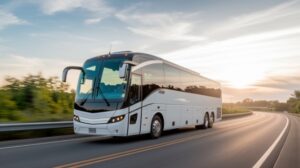
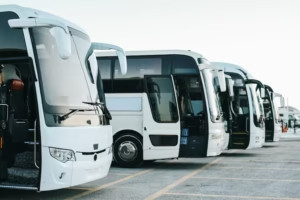
Vehicle selection should reflect passenger count, route conditions, and how frequently each group needs to move. Full-size motorcoaches can carry up to 56 passengers and are a strong fit for high-volume park-and-ride routes, hotel shuttles, or group trips from a central meeting point. Minibuses, typically carrying 24 to 40 passengers, work well for shorter loops, staff transportation, and venues with limited access.
Mercedes Sprinters are useful for smaller crews, performers, and sponsor groups that need more flexible scheduling. Executive sedans and SUVs can handle VIP airport pickups, artist transfers, or last-minute leadership movements without tying up a larger vehicle.
Capacity is not the only consideration. A larger vehicle may be more efficient per passenger, but it needs enough room to turn, stage, and load safely. If the access road is narrow or the pickup zone is tight, several smaller vehicles may keep service running more reliably. A transportation provider should review the venue approach before confirming the fleet.
Build Routes Around the Guest Experience
A festival shuttle route should be easy to understand in one glance. Guests need to know where to board, when the first and last departures run, how often vehicles arrive, and what happens if they miss a ride. If the instructions require a long explanation, the plan probably needs to be simplified.
Choose pickup locations with safe pedestrian access, clear signage, lighting, and enough space for guests to wait without blocking traffic. Hotels, commuter lots, transit-adjacent locations, and off-site parking areas can all work well when they are close enough to reduce travel time and far enough from the venue to avoid the main traffic bottleneck.
For festivals in Boston, Cambridge, Rhode Island, or New Hampshire, local traffic patterns can change sharply around sporting events, construction, commuter hours, and seasonal tourism. Leave room in the schedule for travel time that looks excessive on paper but prevents a late first pickup in real conditions.
Avoid creating too many stops. Multiple pickup points may feel convenient, but each additional stop adds loading time, traffic exposure, and potential confusion. Two well-served hubs are often better than six lightly used ones. It depends on where ticket holders are staying and whether public parking is available, but reliability should outweigh the temptation to serve every neighborhood.
Separate Arrival and Departure Traffic
Whenever the venue allows it, use different traffic patterns for entering and exiting vehicles. This protects the guest flow and reduces the chance that arriving buses get trapped behind departing cars.
Coordinate the drop-off area with venue operations, security, parking staff, and local authorities when required. Drivers need a defined route, a designated loading zone, and a contact person who can make fast decisions if the site becomes congested. Guests need barriers, signs, and staff direction so they do not step into vehicle lanes or gather in the wrong place.
At the end of the event, load buses by destination rather than simply sending vehicles to the curb in whatever order they arrive. Clear destination signs such as “Downtown Hotel Shuttle” or “North Lot Parking” reduce crowding and help dispatchers fill seats faster.
Set a Schedule That Can Absorb Real Conditions
Festival transportation should run on a planned schedule, but it must have enough flexibility to respond to real conditions. Rain slows boarding. A delayed performance can shift the departure rush. A vehicle may need extra time to reach the loading zone after traffic builds.
Set a service frequency that reflects expected demand. During peak arrivals, frequent departures are generally more valuable than a rigid timetable with long gaps. Guests are more likely to stay calm when they can see that another shuttle is arriving shortly.
For departure, avoid ending service at the exact time the final performance ends. Guests leave at different speeds, stop at vendors, meet friends, or wait for the crowd to thin. Keeping transportation available after the headline act gives guests a safer exit and prevents an immediate crush at the pickup area.
Build in a reserve vehicle or an on-call contingency when the festival is large, the venue is difficult to access, or weather may affect operations. That additional capacity can protect the experience when demand is higher than forecast. It is a cost consideration, but one delayed or overwhelmed departure period can cost far more in guest complaints and operational strain.
Communicate Before Guests Need Help
A well-run shuttle service can still feel disorganized if attendees do not know how to use it. Share transportation details when tickets are purchased, in pre-event emails, on the festival schedule, and through event-day announcements. Repeat the same names for pickup points everywhere. Changing “Main Lot” to “South Parking” in one message creates avoidable confusion.
Your guest instructions should cover these essentials:
- Pickup address and a recognizable landmark
- First and last shuttle times
- Expected frequency or departure windows
- Accessibility information and contact details
- What guests may bring on board, including bags or folding chairs
On site, signs should be large, direct, and visible from a distance. Place staff near the boarding area during peak periods, especially at closing. A calm, informed team member can prevent small questions from turning into a crowd-management problem.
For staff and drivers, create a separate operations sheet with vehicle assignments, driver contact information, routing instructions, load-zone procedures, radio or phone protocols, and escalation contacts. Guests need simple information. Your operations team needs precise information.
Put Safety, Accessibility, and Cleanliness First
Transportation is part of your event’s duty of care. Use professionally maintained vehicles and trained, vetted chauffeurs who understand group loading, defensive driving, and event-site procedures. Confirm that vehicles are clean before the first pickup, especially for all-day events where guests may board in muddy shoes, wet clothing, or festival gear.
Accessibility cannot be handled as a last-minute exception. Ask early about mobility needs, accessible vehicle requirements, service-animal policies, and the path between the shuttle stop and festival entrance. A drop-off point is not truly accessible if guests still have to cross uneven ground or navigate a long, unlit route.
Weather also deserves a specific plan. Identify covered waiting areas where possible, prepare for slower loading in rain, and communicate any route changes quickly. In New England, an otherwise routine festival trip can be affected by heat, thunderstorms, fog, or early cold weather depending on the season.
Assign One Transportation Lead on Event Day
The transportation lead should not be simultaneously managing ticket scanning, vendor questions, and stage operations. Assign one person to monitor vehicle status, communicate with drivers and venue teams, and make decisions when traffic or timing changes.
That person should have current passenger estimates, a copy of the route plan, key phone numbers, and authority to adjust vehicle assignments. They should also know when to request support. Charter a Coach provides 24/7 phone support because event logistics do not always stay within business hours, and a quick response can protect the rest of the schedule.
A reliable festival transportation plan gives guests one less decision to make. When vehicles arrive on time, drivers know where to go, and pickup instructions are clear, attendees can focus on the music, food, and people they came to see.